Showing posts with label Surf Rock. Show all posts

Tuesday, May 24, 2016

BRIAN WILSON-esque: All The Songs Imitating His BEACH BOYS Music Styles!


...with 3 Music Players:
1 of THE BEACH BOYS and BRIAN,
+ 2 WILSONesque playlists
of all their imitators!

_____

THE
B E A C H B O Y S
& BRIAN WILSON


BRIAN WILSON defined THE BEACH BOYS with his writing, singing, playing, vocal arranging, and studio production. Competing with Phil Spector's production and Paul McCartney's inspiration, Brian took the band from Surf and Hot Rod songs to the stunning pop hymnals of the Pet Sounds and Smile albums, considered among the greatest and most influential albums ever made.


Here's that sonic revolution in chronological order, covering the band and solo projects from 1962 to today, with tidal waves of great music that many folks have never heard beyond the early radio hits.

"Come on a safari with me!"


BRIAN WILSON/Beach Boys: 1962-Today

This is a Spotify player. Join up for free here.


B R I A N
W I L S O N e s q u e:

2 Tribute music players!


Here are over 350 artists from every era and genre, lovingly imitating Brian's styles with THE BEACH BOYS.

Note: The songs are arranged in "sonic order": The Beach Boys' originals are included in chronological order, and paired with each song are covers, clones, and cousins of that particular song or sound from across time.

Each of Brian's varied styles are tributed from 1962 to 1978:
-in the 1962-1965-esque Music Player, all of the early Surf hits, the Drag racers, and lush ballads.
-in the 1966-1978-esque Music Player, all of the Baroque Pop of PET SOUNDS, the Acid Americana of SMiLE, the Groovy Folk of the late '60s, and on into the Moog Rock sounds of the mid '70s, followed at the end by a coda of songs about the band.


B R I A N
W I L S O N e s q u e:
1962-1965-esque

These are Spotify players. Join up for free here.

*(This Player is limited to the first 200 songs.
Hear the unlimited Playlist here.)


B R I A N
W I L S O N e s q u e:
1966-1978-esque

Spotify playlist title=
BRIAN WILSONesque: 1966-1978-esque


*(This Player is limited to the first 200 songs.
Hear the unlimited Playlist here.)


_____

The Beatles; Queen.


There are favored guests and many surprises along the way.

You would expect Jan And Dean, The Beatles, The Mamas And Papas, Sagittarius, Chicago, Queen, Electric Light Orchestra, 10cc, XTC, Jellyfish, and The High Llamas.

Frank Zappa; Brian Eno; Sonic Youth.


But how about rabble-rousers like The Who, Pink Floyd, Frank Zappa, Sparks, John Cale, Brian Eno, Ramones, Blondie, Gary Numan, The Clash, Plastic Bertrand, The BusBoys, Sham 69, Descendents, Jesus And Mary Chain, R.E.M., Sonic Youth, Psychic TV, The Flaming Lips, Garbage, Yo Lo Tengo, and The Dirtbombs? Paired with the original songs that inspired them, the unlikely influence becomes clear.

From tough melodic sunshine to symphonic pop to shining hymnals to languid confessionals, Brian has rippled through every kind of band with his waves: Surf, Chamber Pop, Songwriter, Power Pop, Punk, New Wave, Indie Rock, Neo-Psychedelic, and more.


Along the way, the Music Players reveal Brian's influence on unsung classics by peers like The Supremes, The Kinks, The Shangri-La's, The Turtles, Buffalo Springfield, Love, The Monkees, The Zombies, Vashti Bunyan, Harpers Bizarre, The Tokens, Laura Nyro, The Association, The Free Design, Sly And The Family Stone, Spirit, Three Dog Night, Genesis, America, Todd Rundgren, Sweet, and War.

And shines light on rare gems by later artists like Fleetwood Mac, Tom Petty, Squeeze, Joan Jett, The dB's, U2, The Dukes Of Stratosphear, The La's, Lush, Bjork, Beck, Ween, Weezer, Wilco, Telekinesis, Chicks On Speed, BC Camplight, and Dirty Projectors.

The music surfs the equator with Los Mabber's (Mexico), Equipe 84 (Italy), Les Nautiques (Canada), Trubrot (Iceland), Ilious & Decuyper (France), Frida of ABBA (Sweden), Klaatu (Canada), Hoodoo Gurus (Australia), Shonen Knife (Japan), Fugu (France), The Luminanas, (France), Preuteleute (Belgium), Sin Fang Bous Of The Loch Ness Mouse (Iceland), Jorn Aleskjaer (Norway), and Zumpano (Canada).

Best Coast; Panda Bear; Jacco Gardner.


Brian's radical arrangements and angelic harmonies opened new vistas and depths, and contemporary acolytes like Wondermints, Olivia Tremor Control, Goldfrapp, The Heavy Blinkers, The Shins, Grandaddy, The Explorers Club, Best Coast, Fleet Foxes, Father John Misty, Beachwood Sparks, She & Him, The New Pornographers, The Ruby Suns, Pas/Cal, Panda Bear, Maston, Django Django, The Sunchymes, and Jacco Gardner are still riding his tides.


Welcome to an alternate universe
of BEACH BOYS music you've never heard!


"Surf's Up
Aboard a tidal wave
Come about hard and join
The young and often spring you gave
I heard the word
Wonderful thing
A children's song..."


© Tym Stevens


See Also:

BEATLE-esque: 450 Albums That Homage Specific BEATLES Albums, with 2 Music Players.

LENNONesque: Artists imitating John Lennon's BEATLES and Solo styles.

McCARTNEYesque: Artists imitating Paul McCartney's BEATLES and Solo styles.

SLICE TONES: Artists imitating Sly Stone's SLY & THE FAMILY STONE styles.


TWIN PEAKS: Its influence on 20 years of Film, TV, and Music, with 5 Music Players.

MORRICONE-esque: The influence of the Spaghetti Western sound on 50 years of Rock and Soul, with 3 Music Players.


Wednesday, May 18, 2016

Shock Waves: How SURF MUSIC Saved Rock'n'Roll!


...with 2 Music Players,
of classic Surf Rock
+ all its modern disciples!


RockSex
now brings you the actual, all-inclusive history of Rock'n'Soul music, with Music Players.

Music Player Checklist


Surf Music kept the Rock movement alive from its original Rock'n'Roll origins into the British Invasion, and continues today.

Here are two Music Players charting that enduring influence on Rock history.

Music Player Quick Links:
𝟭 SURF ROCK: : the First Wave of the 1960s
𝟮 SURF ROCK Disciples: from 1962 to today

Each Music Player is in chronological order, from the '50s to the present.


𝟭
Tidal Waves:
1958-1964


SURF ROCK: 1958-1964
by Tym Stevens


This is a Spotify player. Join up for free here.
*(The Player is limited to the first 200 songs.
Hear the unlimited Playlist here.)


This first Music Player covers the initial rise of Surf Rock from 1958 to its mainstream peak in 1964, in chronological order.

_________________________


The rhythm sections made it Roll but guitars made it Rock.

There was a bristling edge to those pulsing strings that was unearthly yet dirty, as ebullient as it was evil. The stinging leads in those first 1950s Rock'n'Roll> songs jolted every kid in their tennies and rung them like tuning forks.

Many unsung heroes electrified the star's hits: Charlie Christian (Bennie Goodman), Scotty Moore (Elvis Presley), James Burton (Ricky Nelson), Cliff Gallup (Gene Vincent), Paul Burlison (Johnny Burnette Trio), Hubert Sumlin (Howlin' Wolf), Joe Maphis (Wanda Jackson), Danny Cedrone (Bill Haley), and many more. Chuck Berry> broke through because he was able to write and sing as well as he played. But slowly, the guitarists started to get the limelight of their own.


Two of the new Guitar Stars paved the course. Link Wray, sartorial sharpie in a pompadour, was the sonic equivilent of a knifefight. Naturally his breakout was the moody instrumental "Rumble". His hard reverbing strings and prickly chords would open up the door to Surf, Garage Rock, Hard Rock, Heavy Metal, Punk, and beyond. His peer Duane Eddy tuned his weapon to echo a brutal twannng that would mug you as soon as look at you. His rocking take on Henry Mancini's "Peter Gunn Theme"> launched a thousand covers and clones. Their sound and its attitude paved the wave of instrumental breakdown that followed.

Now the undercurrents churned to the surface with the rise of guitar-driven instrumental rock bands. Riff hits like "Raunchy" and "Tequila" roiled a swell of instro acts by 1959 like Santo And Johnny, The Vampires, The Montereys, Sandy Nelson, and The Frantics. This cascaded into the huge success of The Ventures' "Walk Don't Run" (1960), a sunny island melody on clanging guitar with a rolling drum break that brought the rogue wave into vogue.


The underflow is in motion, even if the mainstream hadn't reeled in the notion. They were too busy trying to sink Rock'n'Roll at the dawn of the '60s. And with the almost simultaneous loss of most of its singing figureheads (to the Army, death, God, or marrying your underage cousin), it seemed to be capsizing itself. Maybe this new punk music had only been a fad after all, like the quaking straights had been shreiking.

But the flame was kindled in the beach fires of the budding surf communities of southern California. The Pacific sport had hit the beaches and swept up the young with it. Kids practicing in garages began pounding out their covers of Rock'n'Roll and Rhythm'n'Blues in beach houses and party clubs, and then surfed the rest of the time. One of these guys, a Lebenese fan of Hank Williams and Mediterranean melodies, had an epiphany.


Dick Dale wanted to channel the roaring rush of power he got from surfing through his amplifier. He worked with nearby guitar maker Leo Fender to develop an amp that could project and withstand his aural assault. After myrad exploded amps they developed the Fender amps that rockers use to this day. Leo also came up with the Fender Reverb Unit, a crucial pedal that Dale used to create the signature tough-echo Surf Music sound. Dale rode the crest of fame up and down the west coast, christening acolytes by the score. The new wave of Rock had risen.

Instro bands worldwide caught a ride. Surfin' the USA were The Lively Ones, The Sentinels, The Surfaris, The Challengers, and The Trashmen. From the UK, idiosyncratic producer Joe Meek streamed The Tornados, The Shadows, and The Outlaws (with Ritchie Blackmore). "Catch a wave/ and you're riding on top of the world."

The novice narrative tells you that Surf was a local Cali scene that subsided. In reality, it was reflected worldwide and has never really stopped. Surf had liberated Rock in a way that chartwatchers and fadflits miss: it democratized Rock by lacking vocals and including world melody styles. It became a purely musical language beyond borders that could include anyone playing their music in its style. For every Cali band that imagined surfing in Mazatlan, Hawaii, and Bangalore, there were world acts likewise teeming with California dreaming.

Rolling in on the flip were The Spotnicks and The Noise Men (Sweden), The Twangies (Indo-Rock from the Netherlands), The Skyliners (Belgium), Les Crescendos (Canada), and Los Sleepers (Mexico). The Ventures had as much impact on Japan as The Beatles would everywhere else, inspiring the 'Group Sounds' guitar bands like The Spiders, The Quests, The Pinky Chicks, and The Golden Cups. Spain cruised the slews with Equipe 84, Los Sirex, Los Continentales, and 4 Jets.

Surf also advanced Rock in another way. Like Jazz and Bluegrass before it, Surf brought chops, speed, and diversification through an exploratory instrumental style. (Psychedelia would extend this as a response to Free Jazz.) It amplified and intensified Rock pace and power into a fierce surge beyond the gallop of Rockabilly, mapping the course for every single harder Rock form that would follow.

The Beach Boys and Annette Funicello
in THE MONKEY'S UNCLE (1965).


But if instros set the mood, vocals set the scene. The tides of Surf really broke nationally when The Beach Boys and Jan And Dean wrote Pop postcards about the surfari. The harmony hooks and slang lyrics pulled in the popular imagination with dreams of this sunshine fantasia. One deeply profound sea change from this financial windfall was the recentralizing of the recording industry from New York to Los Angeles. There, in sunbaked new studios, young upstarts like producer Phil Spector and Brian Wilson> pipelined hits like the tides, with the brilliant L.A. session mob "The Wrecking Crew". They inspired and competed with each other with classics at a ferocious clip.

The torrents tumbled laterally. Spector's astute arranger Jack Nitzsche literally scored a hit with the majestic "The Lonely Surfer" (1963). He wasn't the only composer so inspired. Surf had become a whirlpool of stinging echo guitar, tribal rhythms, Spanish flamenco inflections, Latin claves, Mediterranean and Middle Eastern and Polynesian melodies, and often intense horns. It was cinematic and cosmopolitan in ways that film and TV composers quickly channeled.

In London, former Rock/Jazz combo leader John Barry> tersed up this heady mix into his first film scores. His bold move of placing Vic Flick's severe Surf lead upfront gave the JAMES BOND films their cutting edge. Quick on his wave was Ennio Morricone, who deconstructed all of these new pop influences into a darker avant tsunami of his own. His textural and experimental scores for the Italian westerns> and thrillers ricocheted with the hard clang (and whistle) of Alessandro Alessandroni; from NAVAJO JOE and THE GOOD, THE BAD, AND THE UGLY, to DANGER: DIABOLIK and ONCE UPON A TIME IN THE WEST.

Surf's success opened the floodgates of Beach Movies, often starring Annette Funicello and Frankie Avalon, which projected the technicolor fantasy to every shore, and included guest performances by hit Pop artists. The GIDGET books and films led to the TV series starring newcomer Sally Field. [The trend of combing beach culture continued into later films like AMERICAN GRAFITTI (set in Cali', 1962), FAST TIMES AT RIDGEMONT HIGH, POINT BREAK, and BLUE CRUSH; and TV shows like Magnum P.I., Miami Vice, Baywatch, and Laguna Beach.]

Women have been part of every form of Rock and consistantly been ignored like they weren't. In truth, one of the very first Surf songs to break was Kay Bell And The Tuffs' "(The Original) Surfer Stomp" (1961). And like their brothers, plenty of vocal groups like The Honeys, The Beach Girls, and The Powder Puffs blitzed the spritz.

But women played Surf music, too. 13-year-old Kathy Marshall tore it up in clubs as guitarist for Eddie And The Showmen but she was never recorded.> Lead guitarist Chiyo Ushi at least got that shot with The Crescents' "Pink Dominos". Germany's Peter Reese And The Pages featured Helga Gwiasta on Fender Jazzmaster. And all-female bands rode toes on the nose, as well: The Pleasure Seekers (with teenaged Patti and Suzi Quatro) caroused the proto-Garage classic "What A Way To Die" (1964); The Continental Co-ets' reverberated with "I Don't Love You No More"; and the great Char Vinnedge's lead snarl fueled The Luv'd Ones' surfstrumental "Scratchy".

Dick Dale and Stevie Wonder
in MUSCLE BEACH PARTY (1964).


Surf floated all boats. Soul songs by The Isley Brothers, The Mad Lads, Dee Dee Sharpe, and Johnny Otis crashed the splash. Duane Eddy's "Your Baby's Gone Surfin'", Hal Blaine's "Dance To The Surfing Band" and Al Casey's "Surfin' Hootenanny" were all actually sung by the dynamic Darlene Love And The Blossoms. There were covers of The Beach Boys by The Tymes, The Orions, and The Supremes. And the osmosis was fluid, as The Trashmen's classic hit "Surfin' Bird" was a combined cover of The Rivingtons' "Papa Oom Mow Mow" and "The Bird's The Word".

Riding the wave were albums like "Bo Diddley's Beach Party" (1963), "Freddy King Goes Surfin'" (1963), and the compilation "Look Who's Surfin' Now" (1964) featuring surf songs by James Brown, Albert King, and King Curtis. In 1964, Little Stevie Wonder raised some sand performing in the movies MUSCLE BEACH PARTY and BIKINI BEACH, and with his "Stevie At The Beach" album. And young Jimi Hendrix took some initial lessons from Dick Dale (both lefties who played their flipped guitars with strings unreversed).


The outmoded narrative is that '50s Rock imploded in 1959 and was resurrected by the British Invasion five years later. In reality, Rock had kept going worldwide on into the early-'60s>, and was bouyed by Soul>, Girl Groups>, and Doo Wop. But it was the ferocity of guitar-driven Surf rock that most carried the movement into that transition. Surf music peaked commercially with the advent of The Beatles>, but its ongoing tides have whitecapped through Rock to the present day.


𝟮
Tsunami:
1962 To Today


SURF ROCK Disiciples: 1962-Today
by Tym Stevens

This is a Spotify player. Join up for free here.

*(This Player is limited to the first 200 songs.
Hear the unlimited Playlist here.)


This second Music Player covers the influence of Surf Music on music, soundtracks, and culture, from 1962 to the present.

30 hours and seven decades of music
influenced by Surf Rock, including:

John BarryDick DaleLonnie Mack
The DriftersThe CricketsThe Ventures
Beach BoysThe BeatlesSly Stone
Stevie WonderSupremesRolling Stones
Willie MitchellThee MidnitersLos Holy's
Bobby FullerDavie AllanThe Yardbirds
The WhoEnnio MorriconeLove
The MonkeesJimi HendrixPink Floyd
The Music MachineMC5Feminine Complex

Pink FairiesPaul McCartneyThe Stooges
Incredible Bongo Band10ccChicago
The ClashEddie HazelThe JamThe Zeros
Cheap TrickX-Ray SpexRamones
The SpecialsPatti SmithDead Boys
The DamnedBlondieRevillos
The B-52'sRadio Birdman

XDevoFearGermsMinutemen
Dead KennedysThe Go-Go'sThe Bangles
Black FlagJesus + Mary ChainSonic Youth
Love And RocketsStevie Ray Vaughan

PixiesAnthraxJane's Addiction
The GoriesThe BreedersSoundgarden
Man Or Astro-Man?L7Throwing Muses
The NeptunesSusan And The Surftones
Laika And The CosmonautsUltrasonicas

Chicks On SpeedRaveonettesGuitar Wolf
Thee HeadcoateesElectrocuteThe Kills
Wau Y Los Arrrghs!!FeistWavvesGirls
Vivian GirlsBest CoastPeach Kelli Pop
The She'sDjango DjangoLa Femme
Dengue FeverMoon DuoCurtis Harding
The CoathangersLas RobertasHabibi
Ikebe ShakedownLa LuzThe Shivas
and many, many more!


_________________________


Surf Music had rescued Rock'n'Roll.

It brought back its guitar edge coupled with more power and speed, more chops, and more melodic range.

The Beatles


This morphed quickly sideways into drag race songs, strip joint grinders, and metallic space shanties. But it also continued to peel out in in the songs of its peers. It underlines The Beatles' "I Feel Fine" and "Back In The U.S.S.R.", The Rolling Stones' "(I Can't Get No) Satisfaction", and The Yardbirds' "Happenings Ten Years Time Ago", as well as songs by L.A. bands like Love and The Monkees. Many bands got their start as Surf bands first, such as The Crossfires who became The Turtles.

It is the running roar in the Garage Rock of The 13th Floor Elevators, The Chob, The Purple Underground, Los Holy's (Peru), and The Easybeats (Australia).

It continued cruising the world with mid-'60s acts like Los Johnny Jets (Mexico), Los Yorks (Peru), Le Mini Coopers (France), Les Kangourous (Canada), Takeshi Terauchi And The Bunnies (Japan), The Invaders, (South Africa), Kriptons (Angola), Les Krakmen (Congo), Os Rebeldes (Portugal), Los Four Star (Bolivia), and The Golden Ring (Iran).

Helen dancing in joyful abandon
in GUMNAAM.


It kicked out in Soundtracks like the scores of Ennio Morricone and Piero Piccioni, and the classic "Jaan Pehechan Ho" from Bollywood's GUMNAAM (1965); and snarled gnarly in classic TV show themes like "The Munsters", "Secret Agent", Neil Hefti's "Batman", and of course Morgan Stevens' "Hawaii 5-O" as played by The Ventures.

Surf tubed from drag race into the brutal fuzz of Davie Allan's biker movie anthems, like the classic "Blue's Theme" (1967).

Pink Floyd; Jimi Hendrix.


As Psychedelia arrived, it thrived in interstellar overdrive via Syd Barrett's alien surf in Pink Floyd's "Lucifer Sam" (1967), and deepdove into the underwater expressionism of Jimi Hendrix's "1983... (A Merman I Should Turn To Be)".

It bombed the bomboras inside the piledriving ferocity of Hard Rock bands like MC5, The Stooges, and Pink Fairies.

In the '70s, it caught air from the Funk of The Incredible Bongo Band to Barrabas (Spain), from the Power Pop of The Raspberries' harmonies to the signature Duane Eddy-style riff of Bruce Springsteen's "Born To Run".

Radio Birdman; The Zeros.


Surf's deluge force spunks up Punk with Radio Birdman's "Aloha Steve And Dan-O" (Australia), the speed and bang of the Ramones' cover of "California Sun" (1977), and the bent Alex Chilton. Having taught a generation to play, it stagedives notably in L.A. Punk bands like The Zeros, The Gears, The Last, and The Surf Punks.

It is the angry insect salvos of The B-52's magnificent Ricky Wilson on "Private Idaho" and Peter Gunn-rewrite "Planet Claire", and irrigates the fetish psychobilly of Poison Ivy for The Cramps.

Keeping the focal local in the early '80s were California bands like the Hardcore Dead Kennedys, Fear, Agent Orange, and Black Flag; and Surf revivalists like Jon And The Nightriders, The Barracudas, The Go-Go's, and The BusBoys (who naturally flipped the trip with "Soul Surfin' USA").

By its name, how could New Wave not be Surf turf, as reflected in songs by Romeo Void and The Motels, the tart parody in Suburban Lawns' "Gidget Goes To Hell", the ringing guitar and Burundi drums of Bow Wow Wow, and the Morricone majesty of Marco Perroni on Adam Ant's "Desperate, But Not Serious"?

Surf hopped the chops with the rapidfire and rippling dynamics of Speed Metal (mid-'80s); and the late '80s neo-Garage of Love And Rockets, Jesus And Mary Chain, and the criminally underrated Joey Santiago's essential leads for Pixies, who covered The Surftones' 1964 "Cecilia Ann".


In the '90s, Man Or Astro Man, The Trashwomen, and the latter day Russian satellites Laika And the Cosmonauts presaged the fullblown resurgence of Surfmania when Quentin Tarantino used Dick Dale's "Miserlou" in his 1994 film PULP FICTION (because it reminded him of Morricone scores). This rip-currented Dick Dale back into currency, along with Surf revivalists like The Mermen, Los Straitjackets, and The Aqua Velvets. Like many other timeless musical styles (labeled Retro by the shallow), Surf returned with a new rise of unironic and exploratory acolytes, which continues unabated with acts like Lost Acapulco, The Woggles, and Mach Kung Fu (Japan).

And like a roundhouse cutback, Surfer Grrrls are kicking any hoser 'bros' out of the ocean now. Surf dapples brightly in varied acts like The Neptunas, Susan And The Surftones, Baby Horror (Spain), 54 Nude Honeys (Japan), Chicks On Speed, Electrocute, Best Coast, The She's, Peach Kelli Pop, La Luz, and Baby Shakes.

Whether it's the rough Garage of Guitar Wolf (Japan), Dex Romweber Duo, and The Kills, or more abstractly with Dengue Fever, La Femme (France), and Curtis Harding, Surf still 360s for 12/365.

The Silver Surfer,
created by Stan Lee and Jack Kirby:
the Static Shock cartoon series.


Surf made Rock'n'Roll roar. It gave swerve to its swagger, rush to its rumble. It gave it sea legs to sail out into the unknown. And its riptides still underscore music, fashion, slang, sports, and sun culture to this day. When was the last time you used the terms Dude, Awesome, For Sure, Bro', Bitchin', Dork, Gnarly, Rad, or Wipe Out? Probably your last tweet. And then there's skateboarding, windsurfing, snowboarding, streetboarding...

Courtney Conlogue


That surging rise you're feeling is the roiling, fluid power of Surf guitar. Long may it clang!


© Tym Stevens


See also:

1950s PUNK: Sex, Thugs, and Rock'n'Roll!, with Music Player!

CHUCK BERRY: The Guitar God and His Disciples, with 2 Music Players!

BO DIDDLEY: The Rhythm King and His Disciples, with 2 Music Players!


The Pedigree of PETER GUNN, with Music Player!

The Legacy of LOUIE LOUIE, with Music Player!

JOHN BARRY: The Influence Of The JAMES BOND Sound On Pop Music, with 2 Music Players!

BRIAN WILSON-esque: All The Songs Imitating His BEACH BOYS Music Styles!, with 3 Music Players!

____________________


"Hawaii 5-O" - The Ventures > Radio Birdman

"Misirlou!" -The Deep History of Dick Dale's Surf Classic


Tuesday, July 28, 2009

ROCK Sex: Chuck Berry > Beach Boys > Plastic Bertrand > The Damned


ROCK Sex thinks "It's such a sight to see/ somebody steal the show".

_______________


Chuck Berry kicks this relay race into gear with this homage to the original Rock'n'Roll grrrls, the teens that made it all explode, with "Sweet Little Sixteen":

CHUCK BERRY -"Sweet Little Sixteen" (1958)


The song was immediately covered by many greats like Elvis Presley, Jerry Lee Lewis, and soon the young Beatles. But here's a live version by GENE VINCENT which nicely proves how live Rock'n'Roll was the original Punk rock:

GENE VINCENT -"Sweet Little Sixteen" (live, 1960)


Brian Wilson expanded the iconography and the sonic palette with this revamp for the Beach Boys' worldwide hit, "Surfin' USA":

THE BEACH BOYS -"Surfin' USA" (1963)


Perhaps inspired by The New York Dolls' "Jet Boy", Elton Motello did his Glam-Punk variation on Chuck's riff, "Jet Boy, Jet Girl". Its forward depiction of teen gay sexualilty was too much for radio, and it was declared "obscene" by the FCC as late as 1989:

ELTON MOTELLO -"Jet Boy, Jet Girl" (1977)


French pop star Plastic Bertrand quickly used the same backing band and arrangement of that song with less controversial lyrics to achieve far more success. He also turned the 'hoo-hoos' into falsetto 'woo hoos' that emulated Brian Wilson's early surfing hits, showing how intertwined Chuck and the Beach Boys had become.

PLASTIC BERTRAND -"Ca Plane Pour Moi" (1978)


"Jet Boy, Jet Boy" got its most high-profile infamy in a cover by the Punk band, THE DAMNED:

THE DAMNED -"Jet Boy, Jet Girl" (1982)


"All the cats wanna dance with
Sweet Little Sixteen!"


© Tym Stevens


See Also:

The Real History of Rock and Soul!: A Music Player Checklist

CHUCK BERRY: The Guitar God and His Disciples, with 2 Music Players

BRIAN WILSON-esque: All The Songs Imitating His BEACH BOYS Music Styles!, with 3 Music Players

Shock Waves: How SURF MUSIC Saved Rock'n'Roll!, with 2 Music Players


Wednesday, July 15, 2009

ROCK Sex: "Evil Hearted You" - The Yardbirds > Pixies


ROCK Sex is squinting in a poncho with this song.

_______________


The Yardbirds did this hard-hitting classic, "Evil Hearted You", with its echoes of Italian Western themes in the jarring chords, anthemic chorals, and the almost flamenco blues of Jeff Beck's solo:

THE YARDBIRDS -"Evil Hearted You" (1965)


Pixies extended that cinematic connection by singing it in Spanish. Black Francis had to hustle extra hard to come up with a translation that pleased the song's original composer, Graham Gouldman (of 10CC), who spoke it fluently:

PIXIES -"Evil Hearted You" (1991)


© Tym Stevens


See Also:

THE BRITISH INVASION!, with Music Player!

DON'T TREAD ON ME: The Original Punk of 1960s Garage Rock, with Music Player!

How SPAGHETTI WESTERNS Revolutionized Rock Music!, with 3 Music Players


The Real History of Rock and Soul!: The Music Player Checklist


Sunday, July 5, 2009

ROCK Sex: "Hawaii 5-O" - The Ventures > Radio Birdman


ROCK Sex encourages you to get wet.

_______________

The Ventures, mighty centurians of the guitarstrumental, did the classic theme song for the original version of the long-running series, Hawaii Five-O (1968-1980):

THE VENTURES -"Hawaii 5-O" (1968)


Radio Birdman, the Australian missing link between The Stooges and The Ramones, surfed their tsunami response through clubs for four years before it was finally recorded:

RADIO BIRDMAN -"Aloha, Steve And Danno" (1978)


© Tym Stevens


See Also:

Shock Waves: How SURF MUSIC Saved Rock'n'Roll!, with 2 Music Players

"Misirlou!" -The Deep History of Dick Dale's Surf Classic

JOHN BARRY: The Influence Of The JAMES BOND Sound On Pop Music, with 2 Music Players!

John Barry > Fatboy Slim


The Real History of Rock and Soul!: The Music Player Checklist


Wednesday, June 17, 2009

ROCK Sex: Beach Boys > Gary Numan


ROCK Sex cues you to how one song jumpstarts another.

_______________


Listen to the metallic echo beat that counts in this song by The Beach Boys...

THE BEACH BOYS -"Do It Again" (1968)


...and then listen to what New Wave pioneer Gary Numan did with it...

GARY NUMAN -"Metal" (1979)


Now listen to how that crunchy rhythm takes on new textures in these very different songs...

AIR -"Remember" (1998)


VERBENA -"Submissionary" (1999)


© Tym Stevens


See Also:

Shock Waves: How SURF MUSIC Saved Rock'n'Roll!, with 2 Music Players!

BRIAN WILSON-esque: All The Songs Imitating His BEACH BOYS Music Styles!, with 3 Music Players!

Chuck Berry > Beach Boys > Plastic Bertrand > The Damned


The Real History of Rock and Soul!: The Music Player Checklist


Saturday, January 5, 2008

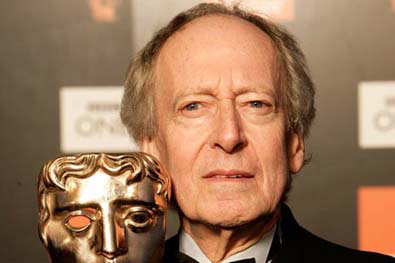
JOHN BARRY: The Influence Of The JAMES BOND Sound On Pop Music


How John Barry's
JAMES BOND sound
influences decades of popular music


...with 2 thunderballing
Music Players!


"You only live twice / Or so it seems /
One life for yourself and one for your dreams."

The great film composer JOHN BARRY lives on doubly in the lifetime of great music he gave us and in the galaxy of artists who have homaged him for seven decades.

Here's two Music Players and essays to prize his sound and sing his praises.

Music Player Quick Links:
𝟭 JOHN BARRY: a musical career overview
𝟮 JOHN BARRY's Rock Disciples and the James Bond sound

Each Music Player is in chronological order, from the '50s to the present.


1
The music of
John Barry


JOHN BARRY
by Tym Stevens

This is a Spotify player. Join up for free here.

Spotify Playlist link


"BARRY. JOHN BARRY."


John Barry was the Man.

In the early-'60s he usurped Henry Mancini's mantle as the hip film composer of choice. Mancini had straddled an odd space between soothing sounds and hipster lounge culture. He could knock out the eerie lullaby of "Charade" or "The Days of Wine and Roses" for the straights, and crank out the tipsy joy of "Baby Elephant Walk" and the sly jazz of "The Pink Panther" for the fingerpoppers. But it was his score for the 1959 TV detective series, "Peter Gunn", that clued him to the youth. With its jazzy nocturnal strolls through the hardboiled cool of wet streets and nightclubs it gripped them by the scruff and the hips. It may even have undone him. A stringslinger named Duane Eddy, "the Twang Bar King", covered its theme as a Rock'n'Roll instrumental, surpassing the original so much that most folks think it is the original. It also became the prototype for Henry's emerging challenger.

John Barry was trying to make it in London as a bandleader of a combo that belted out Rockabilly, Swing Jazz and light Pop for dancehalls. He conducted by trumpet like jazzers but had an eye for the emerging phenomenon of Rock. As an arranger he could absorb the styles of the day and craft canny showpieces for his John Barry Seven. There's even a live album with teen girls squeeling at every brass blast-off. But there is already a sense that Pop was too limiting for him, that he had something grander to say and needed a new canvas to express it. The first indication came with a track called "Bees Knees", as the Seven's signature macho brass fanfares click with a hard clanging guitar lead. Soon, John discovered a guitarist named Vic Flick, whose ringing reverb crystallized the heart of where he was heading.

Their vehicle was the theme song for the 1960 British film, BEAT GIRL. This overlooked gem is the moment he became the Man. With Vic's terse tremolo, the jazz drums, and the striding tides of brass, it distills his future in a minute-and-forty-one seconds. Perfect. He continued to refine this sound on subsequent instrumentals, counterpointing Vic with pizzicato strings and trumpet codas.

And then the big break came. He was asked to supplement Monte Norman's calypso score for the first film based on a popular spy novel series. John created "The James Bond Theme" for the opening credits. Vic's guitar, straight out of the pioneering Rock of Duane Eddy and Surf king Dick Dale>, hit the screen and the audience like a full clip. It defined the flinty cool of Bond instantly, and assured Barry's ascension into the film pantheon. Though an obvious extension of his work on BEAT GIRL, to his chagrin the tune was eternally credited to Monte Norman(!). John had his restitution when he was selected to score the entirety of all the Bond films to follow. His sound proved more defining to the character than even the actors who would portray him. At last he had the outsized, sophisticated canvas he needed.

Jane Birken and John Barry


Until that time, film scores had been descendants of Classical music; big orchestras that underscored every moment of film with swelling eddies of sound. This began to change in the '50s with the increasingly experimental textures of Bernard Herrmann (Hitchcock's VERTIGO) and the pop savvy of Mancini. Barry synthesized these advances and intensified them. His was a world of strong, immediately memorable melodies reiterated as tonal themes, honed by his Pop days. He played with dynamics of silences, murmurings, and crescendos. There was an unapologetic boldness to his arrangements that was loud, sometimes abrasive, and triumphant. Very Rock'n'Roll, very Space Age, very erotic, very modern. He trysted dark cellos with crashing brass, merging Classical and Jazz into an edgy, elegant majesty, like "Bolero" meets "Harlem Nocturne". As locales changed in each Bond film he gleefully absorbed world musics into his arrangements. Here Koto strings, there Ragtime piano. Here delicate elegies, there screaming Clavioline organ. With the tensions of his sounds he captured the contemporary ambivalence about sensuality and violence, compassion and passion's folly. Mister Kiss Kiss Bang Bang.

John Barry's grip on the pulse of the times made him the Man. If he was the hero of the era, then Ennio Morricone was the anti-hero, the deconstruction worker inverting and subverting it all. But John had grip. He expanded into many sounds over many films while always maintaining his melodic and dark lustrous sensibility. In the latter end of his career, he made albums for himself of contemplative beauty or trinkling bebop, like someone who has done it so well he disn't have to prove anything to anyone but himself.


2
The Massive Influence Of
JOHN BARRY


JOHN BARRY: James Bond Disciples
by Tym Stevens


This is a Spotify player. Join up for free here.

*(This Player is limited to the first 200 songs.
Hear the unlimited Playlist here.)


This Music Player contains seven decades of music influenced by John Barry, including:

Henry ManciniCount BasieThe Ventures
Perez PradoKim WestonThe Beatles
Jimmy SmithEddie HarrisEric Dolphy
Ennio MorriconeJohnny CashEdwin Starr

Johnny RiversLalo SchifrinJulie Driscoll
Desmond DekkerRay BarrettoDavie Allan
The MiraclesDusty SpringfieldPink Floyd
The ByrdsThe Bar-KaysIsaac Hayes

Paul McCartneyAlice CooperShocking Blue
Carly SimonMonty PythonABBAAtlantics
The B-52'sThe SelectorThe Specials
DevoThe Go-Go'sBlondieGoblin

New OrderThe CureStray Cats
Tina TurnerChris IsaakThe Damned
Flaming LipsDepeche ModeThe Delmonas
XTCSinead O'ConnorGBVLyres

Gladys KnightJohn ZornFaith No More
Barry AdamsonPortisheadPulpU2
Magnetic FieldsHooverphonicMono
David HolmesFatboy SlimThe Prodigy

SupergrassApril MarchMobyBjork
GarbageMassive AttackPublic Enemy
Green DayGoldfrappOasisBeta Band
ColdplayMichael GiacchinoChris Joss

Nine Inch NailsDengue FeverMuse
Chris CornellAdeleSiouxsie
Janelle MonaeJack WhiteAlicia Keys
The Last Shadow PuppetsNitzer Ebb

Cee-Lo GreenAnna Calvithenewno2
The KillsSharon JonesMark Lanegan
Lana Del ReyStereo TotalThe Limananas
Adrian YoungeBill FrisellIggy Pop

Chrysta BellKandleBillie Eilish

and many, many more!
Plus Movie and TV Theme Songs!


On His Majesty's Secret Service


What does all this have to do with Rock, you ask? A great deal and much more.

Barry created a new kind of jet-age torch song for the Mod generation, which became hit pop songs. These bold songs required bold singers. Shirley Bassey set the standard for all to follow with a fearless blast on 1964's GOLDFINGER which easily matched his horn bombast. Tom Jones reportedly went so far for glory on THUNDERBALL that he nearly passed out holding that last triumphant note! But Barry could blow cool as well as hot, such as the serene calm Nancy Sinatra brought to the immortal YOU ONLY LIVE TWICE (1968). His declarative brass, slinky ballads, and aching melodies haunt everyone in his wake, beyond time or genre.

His dynamic crescendos especially set the standard for his rivals and successors. This defiantly over-the-top blast invigorated great scores and Rock songs. The breathless bravado of THE BIG GUNDOWN by rival Ennio Morricone owes as much to Barry as it does to Elmer Bernstein's galloping western scores, with singer Christy sounding like she's sprinting across the desert with a message burning her tongue. Paul McCartney brought real Rock swagger and some Reggae saunter into LIVE AND LET DIE (1972); the underrated score was actually by George Martin, but their inspiration was Barry's template. Chris Cornell, Public Enemy, Jack White, Alice Cooper, all have rocked out on the momentum of his piledriving cues.

The generation that grew up on these films and pop hits reflected it in the decades to come. John Barry's dynamic sound has seeded through Rock anthems, Pop ballads, HipHop samples, and TripHop headscapes. The attached music player above tours all of that by comparing John's songs to the songs that were inspired by him (and a few songs that inspired him first). Here's a checklist of the party guests...


ACTION!

Barry created the sound of action cinema for the entire decade.

The spy craze of the mid-'60s set off by Bond canonized Barry's sounds in countless theme songs. Movies like the MATT HELM and FLINT series, MODESTY BLAISE, FATHOM, and endless imitations worldwide. And TV shows like "The Avengers", "The Saint", "The Man and Girl From U.N.C.L.E.", "I Spy", "Danger Man (a.k.a., Secret Agent)", "The Prisoner", "Mission: Impossible", "Jonny Quest", "Lancelot Link", and "Get Smart". Even the modern descendants of these, such as "Alias", "The Venture Brothers", "Nikita", "Agents Of S.H.I.E.L.D.", "Archer", and "Killing Eve", retain the echoes of his touch.


SURF

The Surf guitar sound, paved by The Ventures, Duane Eddy, and Dick Dale, had inspired the hard guitar clang of the Bond theme. And in its wake, the Bond theme inspired an entire sub-genre of spy theme surf songs that continues to this day: you can hear in it The B-52s, Man Or Astro Man?, Laika And The Cosmonauts, The Mermen, and The Aqua Velvets.


GOLDEN GIRL

James Bond was so influential on mass culture that the spy sound pervaded general Pop. The brassy power of Barry and Bassey is especially intense in British Soul sirens, in songs like "The Silencers" by Patti Seymour, "Untrue, Unfaithful (That Was You)" by Nita Rossi, "I've Been Wrong Before" by Cilla Black, and "I Know You Love Me Not" by Julie Driscoll.


SOUL

James Bondage also shimmied through Soul music, with such hits as "Agent Double-O-Soul" by Edwin Starr, "Sock It To 'Em, J.B." by Rex Garvin, and namechecks in Shorty Long's "Function At the Junction".


THE BEATLES

The smash succcess of the Bond films transformed the British image into hyper-cool modernity overnight, and set the avalanche in motion for the British Invasion soon after. Because of this, there is a consistent connection between James Bond and The Beatles over the years.

In GOLDFINGER (1964), Sean Connery makes a flip joke insulting them.

An action sequence in The Beatles' HELP (1965) is underscored by a short orchestral burst imitating the Bond theme.

When John Barry was too busy to score LIVE AND LET DIE (1972), the baton was picked up by Beatles producer George Martin who enlisted Paul McCartney for the theme. To his chagrin, the clueless film producers treated it like a demo and started casting about for a standard balladeer to sing it. Martin politely put his foot down. Paul's Oscar -nominated theme is one of the best-loved and most covered Bond themes ever.

Barbara Bach reached international fame in THE SPY WHO LOVED ME (1977) and then married Ringo Starr. Carly Simon's sultry theme "Nobody Does It Better" for this film is firmly in the tradition of McCartney ballads like "My Love".

"You Only Live Twice" was covered by an '80s Mod calling herself Eleanor Rigby.

Showing there's no hard feelings, Sean Connery ended up narrating a version of "In My Life" on George Martin's retirement album.

In QUANTUM OF SOLACE (2008) Bond meets a ginger agent who insists on being called Miss Fields; it's only on the end credits that we learn her first name is Strawberry.


HE LOVES ONLY GOLD

McCartney's theme was nominated for an Oscar and sold like crazy. The producers moved in the direction of dollars by enlisting the hottest artists of any given moment, like Sheena Easton, Rita Coolidge, Duran Duran, A-Ha, Madonna, Adele, and Sam Smith.

There are special stand-outs along the way. The Pretenders delivered two sadly unsung classics for THE LIVING DAYLIGHTS (1987) with "Where Has Everybody Gone" and "If There Was A Man". LICENSE TO KILL (1989) has an equally unheralded and soulful performance by Gladys Knight. Garbage was so into recreating Barry's signature sound that they made a brilliant spy video to accompany THE WORLD IS NOT ENOUGH (1999). Chris Cornell channels Bassey and Tom Jones in CASINO ROYALE (2006) with his "You Know My Name". Jack White and Alicia Keyes roar through "Another Way To Die" for QUANTUM OF SOLACE (2008). Adele invoked the ghost of Goldfinger in her majestic title song for SKYFALL (2012). Sam Smith followed suit with the soulful "Writing's On The Wall" for SPECTRE (2015). Billie Eilish crooned the title song for NO TIME TO DIE (2021).


MOONFINGER

Moon River ➤ Goldfinger ➤ Moonraker ➤ Goldeneye ➤ Goldmember

There's a funny pretzel loop involving the theme for GOLDFINGER (1964), immortalized by Shirley Bassey. At the time it was so noted for its sonic resemblance to Henry Mancini's "Moon River" that it was often called "Moonfinger". Later, John Barry scored the Bond film MOONRAKER (1979), which was perversely sung by Shirley Bassey. Bono and The Edge were clearly homaging "Goldfinger" in writing the theme for GOLDENEYE (1995), sung by Tina Turner in her best Bassey belt-out. Eventually the telephone game loses its mind. Though Austin Powers goes up against GOLDMEMBER (2002), the movie actually homages 70's action films; so Beyonce's theme completely loses the plot by combining two songs by KC And The Sunshine Band!


KISS BANG

When Bondmania hit, an Italian journalist nicknamed the lascivious spy 'Mr. Kiss Kiss Bang Bang'. Barry liked this phrase enough to create a song for THUNDERBALL (1965). It was meant for Shirley Bassey but then went to Dionne Warwick. The brass worried about a song lacking the film title, the Tom Jones theme was used instead, and Dionne's recording was released 30 years later. An Italian spy knock-off, "BACIA E SPARA" (1966) was renamed "Mr. Kiss Kiss Bang Bang" in American release, with a score by the great Bruno Nicolai. 'Kiss Kiss Bang Bang' has been used to name two comedies since, including the terrific noir spoof KISS KISS BANG BANG with Robert Downey Jr (2005). (When the director of that film reunited with Downey helming IRON MAN 3 (2013), the end credits were a direct homage to Maurice Binder's credits for Bond films.) It has also been the name of original songs by Nitzer Ebb, Specimen, The Celibate Rifles, and Cinerama. And a collection of film essays by Pauline Kael because it is "perhaps the briefest statement imaginable of the basic appeal of movies."


DR. NOPE

Many artists pitched great songs for Bond films that got rejected.

These were alternate original songs that are just as cool for their own sake; Johnny Cash's "THUNDERBALL", Alice Cooper's "THE MAN WITH THE GOLDEN GUN", Blondie's "FOR YOU EYES ONLY", Scott Walker's "Only Yourself To Blame" for THE WORLD IS NOT ENOUGH, and a raft of TOMORROW NEVER DIES original songs by Pulp, Saint Etienne, Marc Almond, The Cardigans, and Swan Lee.

And oftimes an artist makes a song in the vein of the Bond/ Barry sound just for their own pleasure. New Order's "Blue Monday" (1983) owes as much to Vic Flick's treble as to Duane Eddy. A particular unknown delight is Lori And The Chameleons' "The Lonely Spy" (1981). Artists continue to croon sultry ballads with dangerous mood, such as Serena Ryder, Lana Del Rey, Caro Emerald, Groovy Uncle, and especially Kandle.


COVER ME!

And then there's always a great cover version.

Just marvel at the terrific cover of "Goldfinger" by postpunk pioneers Magazine! "You Only Live Twice" has been done by Marc Almond, Coldplay, and Bjork, and sampled by Robbie Williams and Cee-Lo Green. John Barry was lucky to have his hero Louis Armstrong perform "We Have All the Time In the World" for ON HER MAJESTY'S SECRET SERVICE before his passing; this song has been covered by My Bloody Valentine, Fun Lovin' Criminals, and even a tender take by Iggy Pop. Arctic Monkeys and Kanye West have tried on "Diamonds Are Forever". The first cover of "Live and Let Die" was actually on its own soundtrack, with a Funky Soul version by B.J. Arnau; we see her performing it in a New Orleans bar in the film. Linda McCartney had suggested a Reggae middle section, which triggered a Reggae cover by Byron Lee And The Dragoniares, who had done Calypso songs for the first Bond film, DR. NO (1962). And it became the signature song of Guns'n'Roses. In Radiohead's cover of "Nobody Does It Better" they pronounced it the sexiest song ever written.


YOU ONLY LIVE TWICE

And then there's cloning.

Though Barry hasn't done the Bond music for decades, his hand-picked successor David Arnold has done near-flawless homages in recent years. Likewise, pastiches of Barry run through AUSTIN POWERS, brilliantly in Michael Giacchino's score for THE INCREDIBLES (2004) and THE INCREDIBLES 2 (2018), and David Holmes' score for HAYWIRE (2011).


NEVER SAY DIE

And then there's sampling.

Barry's riffs and moods have been sampled by Moby, Public Enemy, House Of Pain, and The Prodigy. Propellerheads took their whole Big Beat easthetic from Barry, even enlisting Shirley Bassey for their dance hit "History Repeating" (1998), as well as remixing an amped ON HER MAJESTY'S SECRET SERVICE. This earned them the clout to throwdown in the score for TOMORROW NEVER DIES (1997). Fatboy Slim took the key guitar riff of John's breakthrough "Beat Girl" as an essential part of his breakthrough, "The Rockefeller Skank". (♫ "Right about now, the Funk Soul Brother, check it out now..!" ♫)


Portishead, "To Kill A Dead Man"


DANCE INTO THE FIRE

And then there's TripHop.

In the '90s, Barry's atmospheric darkness and propulsive rhythms influenced a new wave of edgy dance music with cinematic arrangements. Many acts lopped under the TripHop umbrella took inspiration from film composers like Barry, Lalo Shifrin, Roy Budd, Angelo Badalamenti, and Ennio Morricone.

Portishead made their breakthrough with a longform video called "To Kill a Dead Man", which combined the style of Bond films with the anti-Bond grit of Michael Caine's 'Harry Palmer' spy series. Their sound sampled from the dark shadows of Barry and Shifren. Likewise, Mono's big hit "Life In Mono" uses the creepy harpsichord of Barry's THE IPCRESS FILE as its hook. Similarly, Goldfrapp, Barry Adamson, Tricky, Sneaker Pimps, Hooverphonic, David Holmes, Blue States, and Massive Attack have haunting refrains of Barry in their cinematic dance themes.
Triphop continued to flourish across time, such as the Bond-esque moodiness of Kandle, and Unloved's drmatic songs for the TV series 'Killing Eve' (2018).


EPILOGUE

And then there's the real thing. When Jarvis Cocker of Pulp curated the 2007 Meltdown Festival, he had a philharmonic night celebrating Barry, with both of them performing together. A proper tribute to a proper artist.


This sadly is the end of our hero, who passed away in 2011, but John Barry will return in another artist and composer dear to your heart. Until then, "Live one life for yourself/ And one for your dreams."


© Tym Stevens


See Also:

THE PRISONER: Its Influence On Music, TV, and Comics, with Music Player

JIM STERANKO, Agent of S.T.Y.L.E.! - His Inspirations and His Influence

TWIN PEAKS: It's Influence On 25 Years of Popular Culture, with 5 Music Players

How SPAGHETTI WESTERNS Revolutionized Rock Music! , with 3 Music Players

How STAR WARS Is Changing Everything!

_____________________


John Barry > Fatboy Slim

20 Most Badass JAMES BOND Women!


_____________________


THE CANON 1: 50 Books That Created Modern Culture, with Music Player

THE CANON 2: 50 More Books That Created Modern Pop Culture, with Music Player

THE CANON 3: 50 Recent Books That Created Modern Culture, with Music Player