Tuesday, March 25, 2008

HERE IN PURPLE VELVET NOW: The Psychedelic Revolution


...with 2 Music Players!


J I M I
H E N D R I X


PSYCHEDELIC: 1966-68
by Tym Stevens
This is a Spotify player. Join up for free here.


*(The Player is limited to the first 200 songs.
Hear the unlimited Playlist here.)


"Here in purple velvet now/ where time and motion slows."
-The Pretty Things, 1968


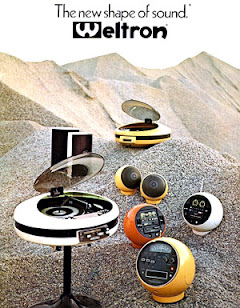
Roger McGuinn and David Crosby of The Byrds were machine enthusiasts. They likened musical eras to the tech of their times. Jazz would have been a shellback Caddy clacking the tarmac; the first Rock'n'Roll was a '57 Thunderbird revved up and roaring full-flung; and The Beatles were the sound of a jet engine, like a million little girls screaming, louder than God and flying just as brightly. The Fifties had promised the world of tomorrow and its descendent delivered. The Sixties was the Space Age, the Mod years, the beginning of the future. It was curvilinear chrome and sleek cool. It's Ken Adam's James Bond sets, Rudi Gernreich's cutting-edge couture, the Jetson's flying traffic, the hyperstylish credits on TV spy shows. It's the London swing mode of young women skipping the mom route to jetset in Mary Quant trimcuts, Vidal Sassoon asymmetric bobs, and many picking up electric guitars. Or daydreaming to, in small burghs worldwide. Sleek, slick, op, pop, bright, brassy, wow, pow. The New Now.

But time is malleable. Or at least the perception and use of it. After three years jetting the globe pumping out ungodly amounts of classics, The Beatles and their ilk wanted some time out. Not to stop, just to breathe and focus. Speed had kept them moving but grass grounded them. Then lysergic bliss calmed them when they were spiked with acid by a dentist. Wow. Wait a minute. They reflected on everything they had heard and learned in the world. They felt the power that they had given themselves. The music began to change along with their outlooks. Their running mates The Kinks were the first to get Indian influence on record with "See My Friends"; it's lolling waves of droning tone a new tempo to drift, a new course to chart now at your leisure.

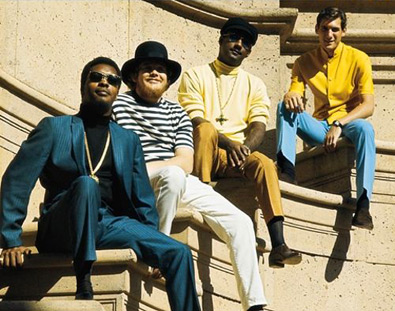
"Nothing is real," William S. Burroughs was fond of quoting, "Everything is permitted." It was time to assess the happenings of ten years time. Rock was now the communal language of a new, gigantic generation. It had fueled their mad abandon to destroy all barriers and unleash possibilities. Just as 50's Rock had rejected the consumerist dream while using all of its tools to assault it, so did its heirs. An instinctive movement now groundswelled away from the polished perfect and into the organic, the natural, the rustic, the chaotic, the absurd, the fluid. In rejecting the present's vision of the gleaming solid tomorrow, they revamped the past. English youth went Edwardian, with military jackets and vintage spectacles, olde-world whimsy and dandy eccentricism. The Left Coast of Cali went Wild West, with indigenous tassles and cowboy buckskins, beads and sideburns and bandanas. Jimi Hendrix, an Irish/African/Native American, was so fluid he would do both in each country. He was the new and revised Now incarnate; cosmopolitan, communal, trans-temporal, finding freedom in multiplicity.

Underlying (undermining) all of this was LSD. Leary studied it like a lab trial, Kesey handed it out like communion wafers. Their time-release trip caught hold by '66. Love songs and social barbs became micro/macrocosmic ruminations. By 1967 everything changed completely.


Jimi Hendrix turned Rock'n'Roll into ROCK. Like an Edwardian gypsy Galactus, he had absorbed everything -all the bluesmakers, tours backing every Soul act, the ricochet roar of Surf, the jet engine sunshine of the Fabs, and the surreal slash of Dylan- and he wanted more. He started his arrival in London as a flashy virtuoso, then sculpted feedback and distortion, invented the wah-wah, stacked his Marshalls till ears bled, twisted pop songs into "sheets of noise" like jazzbro John Coltrane, and turned the studio into an instrument flanging sonic masterpieces.

London had the best studios going. Most bands had a shot at one single and that was it. That had been the history of Rock'n'Roll in a nutshell and a bill. But now something new was happening. With so much mindscape to cover, bands crammed an album's worth of ideas into three fuzzblast minutes of plastic, spinning out the greatest psychedia ever set loose. The Yardbirds, Cream, The Pretty Things, The Creation, Donovan, The Brian Auger Trinity with Julie Driscoll, Les Fluer de Lys with Sharon Tandy, Love Sculpture (Dave Edmunds), Traffic (Steve Winwood), The Move (Roy Wood and Jeff Lynne) gleefully embraced dementia. (And unfortunately, souls like Syd Barrett, Sky Saxon, Roky Erickson, Tawl Ross, and Brian Wilson really did.) Their American cohorts- The Chocolate Watchband, The Chambers Brothers, The Doors, The Luv'd Ones (Char Vinnedge), Funkadelic, and the scary Captain Beefheart- raced them to karmageddon. No other generation and no other sound may ever have electrified and alarmed the world as this one.

They wanted a malleable future, a changeable present, an inner revelation, an outer revolution, an infinite plain of possibility they could journey through and learn from...and to create a future generation that transcended everything. No Pain, no divisions, no killing, no selfishness. That utopian generosity has been sorely tested on the tidal rocks of time, by their repressive enemies and the kneejerk callowness of succeeding youth. But their sonic dreams, organic spiritualism, and cultural soul still speak to new generations who long for the same in the latest now.

This music was technicolor brainstorms. This fury is beautiful and forever.

The flesh is not. The fluid they burned for inspiration corroded them. Drugs devolved into a drag. At the end of the glorious arc, highpriest Jimi sang, "Broken glass was all in my brain/ It used to fall out my dreams and cut me in my bed." But he takes us out with a secret smile, saying, "In the meantime, which is a groovy time..."

Make your meantime groovy, baby, right now


PSYCHEDELIC: 1969-'73
by Tym Stevens
This is a Spotify player. Join up for free here.

*(The Player is limited to the first 200 songs.
Hear the unlimited Playlist here.)


Disclaimer: Tym advocates the use of nothing except a focused head and a full heart.


© Tym Stevens


See Also:

• DON'T TREAD ON ME: The Original Punk of 1960s Garage Rock

• MY SOUL HAS BEEN PSYCHEDELICIZED: The Afro-delic Dimension of Psychedelia, with 2 Music Players!

• BEATLESQUE Songs: 1967-esque, with Music Player!

• Sly Stone's "I Want To Take You Higher" And Its Unending Influence!, with Music Player!

• BEYOND COOL: Pedro Bell, Funkadelic's visionary!

_____________________


• "Sing A Simple Song" - Sly Stone > Jimi Hendrix > James Gang > P-Funk > Chili Peppers > Public Enemy


-The Real History of Rock and Soul!: A Music Player Checklist


Saturday, January 5, 2008

JOHN BARRY: The Influence Of The JAMES BOND Sound On Pop Music


How John Barry's
JAMES BOND sound
influences decades of popular music


...with 2 thunderballing
Music Players!


"You only live twice / Or so it seems /
One life for yourself and one for your dreams."

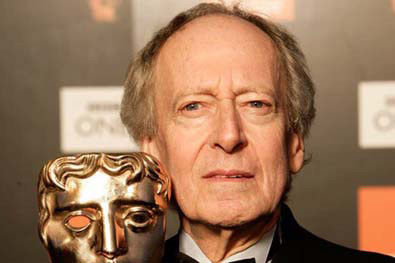
The great film composer JOHN BARRY lives on doubly in the lifetime of great music he gave us and in the galaxy of artists who have homaged him for seven decades.

Here's two Music Players and essays to prize his sound and sing his praises.

Music Player Quick Links:
𝟭 •JOHN BARRY: a musical career overview
𝟮 • JOHN BARRY's Rock Disciples and the James Bond sound

Each Music Player is in chronological order, from the '50s to the present.


1
The music of
John Barry


JOHN BARRY
by Tym Stevens

This is a Spotify player. Join up for free here.

Spotify Playlist link


"BARRY. JOHN BARRY."


John Barry was the Man.

In the early-'60s he usurped Henry Mancini's mantle as the hip film composer of choice. Mancini had straddled an odd space between soothing sounds and hipster lounge culture. He could knock out the eerie lullaby of "Charade" or "The Days of Wine and Roses" for the straights, and crank out the tipsy joy of "Baby Elephant Walk" and the sly jazz of "The Pink Panther" for the fingerpoppers. But it was his score for the 1959 TV detective series, "Peter Gunn", that clued him to the youth. With its jazzy nocturnal strolls through the hardboiled cool of wet streets and nightclubs it gripped them by the scruff and the hips. It may even have undone him. A stringslinger named Duane Eddy, "the Twang Bar King", covered its theme as a Rock'n'Roll instrumental, surpassing the original so much that most folks think it is the original. It also became the prototype for Henry's emerging challenger.

John Barry was trying to make it in London as a bandleader of a combo that belted out Rockabilly, Swing Jazz and light Pop for dancehalls. He conducted by trumpet like jazzers but had an eye for the emerging phenomenon of Rock. As an arranger he could absorb the styles of the day and craft canny showpieces for his John Barry Seven. There's even a live album with teen girls squeeling at every brass blast-off. But there is already a sense that Pop was too limiting for him, that he had something grander to say and needed a new canvas to express it. The first indication came with a track called "Bees Knees", as the Seven's signature macho brass fanfares click with a hard clanging guitar lead. Soon, John discovered a guitarist named Vic Flick, whose ringing reverb crystallized the heart of where he was heading.

Their vehicle was the theme song for the 1960 British film, BEAT GIRL. This overlooked gem is the moment he became the Man. With Vic's terse tremolo, the jazz drums, and the striding tides of brass, it distills his future in a minute-and-forty-one seconds. Perfect. He continued to refine this sound on subsequent instrumentals, counterpointing Vic with pizzicato strings and trumpet codas.

And then the big break came. He was asked to supplement Monte Norman's calypso score for the first film based on a popular spy novel series. John created "The James Bond Theme" for the opening credits. Vic's guitar, straight out of the pioneering Rock of Duane Eddy and Surf king Dick Dale>, hit the screen and the audience like a full clip. It defined the flinty cool of Bond instantly, and assured Barry's ascension into the film pantheon. Though an obvious extension of his work on BEAT GIRL, to his chagrin the tune was eternally credited to Monte Norman(!). John had his restitution when he was selected to score the entirety of all the Bond films to follow. His sound proved more defining to the character than even the actors who would portray him. At last he had the outsized, sophisticated canvas he needed.

Jane Birken and John Barry


Until that time, film scores had been descendants of Classical music; big orchestras that underscored every moment of film with swelling eddies of sound. This began to change in the '50s with the increasingly experimental textures of Bernard Herrmann (Hitchcock's VERTIGO) and the pop savvy of Mancini. Barry synthesized these advances and intensified them. His was a world of strong, immediately memorable melodies reiterated as tonal themes, honed by his Pop days. He played with dynamics of silences, murmurings, and crescendos. There was an unapologetic boldness to his arrangements that was loud, sometimes abrasive, and triumphant. Very Rock'n'Roll, very Space Age, very erotic, very modern. He trysted dark cellos with crashing brass, merging Classical and Jazz into an edgy, elegant majesty, like "Bolero" meets "Harlem Nocturne". As locales changed in each Bond film he gleefully absorbed world musics into his arrangements. Here Koto strings, there Ragtime piano. Here delicate elegies, there screaming Clavioline organ. With the tensions of his sounds he captured the contemporary ambivalence about sensuality and violence, compassion and passion's folly. Mister Kiss Kiss Bang Bang.

John Barry's grip on the pulse of the times made him the Man. If he was the hero of the era, then Ennio Morricone was the anti-hero, the deconstruction worker inverting and subverting it all. But John had grip. He expanded into many sounds over many films while always maintaining his melodic and dark lustrous sensibility. In the latter end of his career, he made albums for himself of contemplative beauty or trinkling bebop, like someone who has done it so well he disn't have to prove anything to anyone but himself.


2
The Massive Influence Of
JOHN BARRY


JOHN BARRY: James Bond Disciples
by Tym Stevens


This is a Spotify player. Join up for free here.

*(This Player is limited to the first 200 songs.
Hear the unlimited Playlist here.)


This Music Player contains seven decades of music influenced by John Barry, including:

Henry Mancini • Count Basie • The Ventures
Perez Prado • Kim Weston • The Beatles
Jimmy Smith • Eddie Harris • Eric Dolphy
Ennio Morricone • Johnny Cash • Edwin Starr

Johnny Rivers • Lalo Schifrin • Julie Driscoll
Desmond Dekker • Ray Barretto • Davie Allan
The Miracles • Dusty Springfield • Pink Floyd
The Byrds • The Bar-Kays • Isaac Hayes

Paul McCartney • Alice Cooper • Shocking Blue
Carly Simon • Monty Python • ABBA • Atlantics
The B-52's • The Selector • The Specials
Devo • The Go-Go's • Blondie • Goblin

New Order • The Cure • Stray Cats
Tina Turner • Chris Isaak • The Damned
Flaming Lips • Depeche Mode • The Delmonas
XTC • Sinead O'Connor • GBV • Lyres

Gladys Knight • John Zorn • Faith No More
Barry Adamson • Portishead • Pulp • U2
Magnetic Fields • Hooverphonic • Mono
David Holmes • Fatboy Slim • The Prodigy

Supergrass • April March • Moby • Bjork
Garbage • Massive Attack • Public Enemy
Green Day • Goldfrapp • Oasis • Beta Band
Coldplay • Michael Giacchino • Chris Joss

Nine Inch Nails • Dengue Fever • Muse
Chris Cornell • Adele • Siouxsie
Janelle Monae • Jack White • Alicia Keys
The Last Shadow Puppets • Nitzer Ebb

Cee-Lo Green • Anna Calvi • thenewno2
The Kills • Sharon Jones • Mark Lanegan
Lana Del Rey • Stereo Total • The Limananas
Adrian Younge • Bill Frisell • Iggy Pop

Chrysta Bell • Kandle • Billie Eilish

and many, many more!
Plus Movie and TV Theme Songs!


On His Majesty's Secret Service


What does all this have to do with Rock, you ask? A great deal and much more.

Barry created a new kind of jet-age torch song for the Mod generation, which became hit pop songs. These bold songs required bold singers. Shirley Bassey set the standard for all to follow with a fearless blast on 1964's GOLDFINGER which easily matched his horn bombast. Tom Jones reportedly went so far for glory on THUNDERBALL that he nearly passed out holding that last triumphant note! But Barry could blow cool as well as hot, such as the serene calm Nancy Sinatra brought to the immortal YOU ONLY LIVE TWICE (1968). His declarative brass, slinky ballads, and aching melodies haunt everyone in his wake, beyond time or genre.

His dynamic crescendos especially set the standard for his rivals and successors. This defiantly over-the-top blast invigorated great scores and Rock songs. The breathless bravado of THE BIG GUNDOWN by rival Ennio Morricone owes as much to Barry as it does to Elmer Bernstein's galloping western scores, with singer Christy sounding like she's sprinting across the desert with a message burning her tongue. Paul McCartney brought real Rock swagger and some Reggae saunter into LIVE AND LET DIE (1972); the underrated score was actually by George Martin, but their inspiration was Barry's template. Chris Cornell, Public Enemy, Jack White, Alice Cooper, all have rocked out on the momentum of his piledriving cues.

The generation that grew up on these films and pop hits reflected it in the decades to come. John Barry's dynamic sound has seeded through Rock anthems, Pop ballads, HipHop samples, and TripHop headscapes. The attached music player above tours all of that by comparing John's songs to the songs that were inspired by him (and a few songs that inspired him first). Here's a checklist of the party guests...


ACTION!

Barry created the sound of action cinema for the entire decade.

The spy craze of the mid-'60s set off by Bond canonized Barry's sounds in countless theme songs. Movies like the MATT HELM and FLINT series, MODESTY BLAISE, FATHOM, and endless imitations worldwide. And TV shows like "The Avengers", "The Saint", "The Man and Girl From U.N.C.L.E.", "I Spy", "Danger Man (a.k.a., Secret Agent)", "The Prisoner", "Mission: Impossible", "Jonny Quest", "Lancelot Link", and "Get Smart". Even the modern descendants of these, such as "Alias", "The Venture Brothers", "Nikita", "Agents Of S.H.I.E.L.D.", "Archer", and "Killing Eve", retain the echoes of his touch.


SURF

The Surf guitar sound, paved by The Ventures, Duane Eddy, and Dick Dale, had inspired the hard guitar clang of the Bond theme. And in its wake, the Bond theme inspired an entire sub-genre of spy theme surf songs that continues to this day: you can hear in it The B-52s, Man Or Astro Man?, Laika And The Cosmonauts, The Mermen, and The Aqua Velvets.


GOLDEN GIRL

James Bond was so influential on mass culture that the spy sound pervaded general Pop. The brassy power of Barry and Bassey is especially intense in British Soul sirens, in songs like "The Silencers" by Patti Seymour, "Untrue, Unfaithful (That Was You)" by Nita Rossi, "I've Been Wrong Before" by Cilla Black, and "I Know You Love Me Not" by Julie Driscoll.


SOUL

James Bondage also shimmied through Soul music, with such hits as "Agent Double-O-Soul" by Edwin Starr, "Sock It To 'Em, J.B." by Rex Garvin, and namechecks in Shorty Long's "Function At the Junction".


THE BEATLES

The smash succcess of the Bond films transformed the British image into hyper-cool modernity overnight, and set the avalanche in motion for the British Invasion soon after. Because of this, there is a consistent connection between James Bond and The Beatles over the years.

• In GOLDFINGER (1964), Sean Connery makes a flip joke insulting them.

• An action sequence in The Beatles' HELP (1965) is underscored by a short orchestral burst imitating the Bond theme.

• When John Barry was too busy to score LIVE AND LET DIE (1972), the baton was picked up by Beatles producer George Martin who enlisted Paul McCartney for the theme. To his chagrin, the clueless film producers treated it like a demo and started casting about for a standard balladeer to sing it. Martin politely put his foot down. Paul's Oscar -nominated theme is one of the best-loved and most covered Bond themes ever.

• Barbara Bach reached international fame in THE SPY WHO LOVED ME (1977) and then married Ringo Starr. Carly Simon's sultry theme "Nobody Does It Better" for this film is firmly in the tradition of McCartney ballads like "My Love".

• "You Only Live Twice" was covered by an '80s Mod calling herself Eleanor Rigby.

• Showing there's no hard feelings, Sean Connery ended up narrating a version of "In My Life" on George Martin's retirement album.

• In QUANTUM OF SOLACE (2008) Bond meets a ginger agent who insists on being called Miss Fields; it's only on the end credits that we learn her first name is Strawberry.


HE LOVES ONLY GOLD

McCartney's theme was nominated for an Oscar and sold like crazy. The producers moved in the direction of dollars by enlisting the hottest artists of any given moment, like Sheena Easton, Rita Coolidge, Duran Duran, A-Ha, Madonna, Adele, and Sam Smith.

There are special stand-outs along the way. The Pretenders delivered two sadly unsung classics for THE LIVING DAYLIGHTS (1987) with "Where Has Everybody Gone" and "If There Was A Man". LICENSE TO KILL (1989) has an equally unheralded and soulful performance by Gladys Knight. Garbage was so into recreating Barry's signature sound that they made a brilliant spy video to accompany THE WORLD IS NOT ENOUGH (1999). Chris Cornell channels Bassey and Tom Jones in CASINO ROYALE (2006) with his "You Know My Name". Jack White and Alicia Keyes roar through "Another Way To Die" for QUANTUM OF SOLACE (2008). Adele invoked the ghost of Goldfinger in her majestic title song for SKYFALL (2012). Sam Smith followed suit with the soulful "Writing's On The Wall" for SPECTRE (2015). Billie Eilish crooned the title song for NO TIME TO DIE (2021).


MOONFINGER

Moon River ➤ Goldfinger ➤ Moonraker ➤ Goldeneye ➤ Goldmember

There's a funny pretzel loop involving the theme for GOLDFINGER (1964), immortalized by Shirley Bassey. At the time it was so noted for its sonic resemblance to Henry Mancini's "Moon River" that it was often called "Moonfinger". Later, John Barry scored the Bond film MOONRAKER (1979), which was perversely sung by Shirley Bassey. Bono and The Edge were clearly homaging "Goldfinger" in writing the theme for GOLDENEYE (1995), sung by Tina Turner in her best Bassey belt-out. Eventually the telephone game loses its mind. Though Austin Powers goes up against GOLDMEMBER (2002), the movie actually homages 70's action films; so Beyonce's theme completely loses the plot by combining two songs by KC And The Sunshine Band!


KISS BANG

When Bondmania hit, an Italian journalist nicknamed the lascivious spy 'Mr. Kiss Kiss Bang Bang'. Barry liked this phrase enough to create a song for THUNDERBALL (1965). It was meant for Shirley Bassey but then went to Dionne Warwick. The brass worried about a song lacking the film title, the Tom Jones theme was used instead, and Dionne's recording was released 30 years later. An Italian spy knock-off, "BACIA E SPARA" (1966) was renamed "Mr. Kiss Kiss Bang Bang" in American release, with a score by the great Bruno Nicolai. 'Kiss Kiss Bang Bang' has been used to name two comedies since, including the terrific noir spoof KISS KISS BANG BANG with Robert Downey Jr (2005). (When the director of that film reunited with Downey helming IRON MAN 3 (2013), the end credits were a direct homage to Maurice Binder's credits for Bond films.) It has also been the name of original songs by Nitzer Ebb, Specimen, The Celibate Rifles, and Cinerama. And a collection of film essays by Pauline Kael because it is "perhaps the briefest statement imaginable of the basic appeal of movies."


DR. NOPE

Many artists pitched great songs for Bond films that got rejected.

These were alternate original songs that are just as cool for their own sake; Johnny Cash's "THUNDERBALL", Alice Cooper's "THE MAN WITH THE GOLDEN GUN", Blondie's "FOR YOU EYES ONLY", Scott Walker's "Only Yourself To Blame" for THE WORLD IS NOT ENOUGH, and a raft of TOMORROW NEVER DIES original songs by Pulp, Saint Etienne, Marc Almond, The Cardigans, and Swan Lee.

And oftimes an artist makes a song in the vein of the Bond/ Barry sound just for their own pleasure. New Order's "Blue Monday" (1983) owes as much to Vic Flick's treble as to Duane Eddy. A particular unknown delight is Lori And The Chameleons' "The Lonely Spy" (1981). Artists continue to croon sultry ballads with dangerous mood, such as Serena Ryder, Lana Del Rey, Caro Emerald, Groovy Uncle, and especially Kandle.


COVER ME!

And then there's always a great cover version.

Just marvel at the terrific cover of "Goldfinger" by postpunk pioneers Magazine! "You Only Live Twice" has been done by Marc Almond, Coldplay, and Bjork, and sampled by Robbie Williams and Cee-Lo Green. John Barry was lucky to have his hero Louis Armstrong perform "We Have All the Time In the World" for ON HER MAJESTY'S SECRET SERVICE before his passing; this song has been covered by My Bloody Valentine, Fun Lovin' Criminals, and even a tender take by Iggy Pop. Arctic Monkeys and Kanye West have tried on "Diamonds Are Forever". The first cover of "Live and Let Die" was actually on its own soundtrack, with a Funky Soul version by B.J. Arnau; we see her performing it in a New Orleans bar in the film. Linda McCartney had suggested a Reggae middle section, which triggered a Reggae cover by Byron Lee And The Dragoniares, who had done Calypso songs for the first Bond film, DR. NO (1962). And it became the signature song of Guns'n'Roses. In Radiohead's cover of "Nobody Does It Better" they pronounced it the sexiest song ever written.


YOU ONLY LIVE TWICE

And then there's cloning.

Though Barry hasn't done the Bond music for decades, his hand-picked successor David Arnold has done near-flawless homages in recent years. Likewise, pastiches of Barry run through AUSTIN POWERS, brilliantly in Michael Giacchino's score for THE INCREDIBLES (2004) and THE INCREDIBLES 2 (2018), and David Holmes' score for HAYWIRE (2011).


NEVER SAY DIE

And then there's sampling.

Barry's riffs and moods have been sampled by Moby, Public Enemy, House Of Pain, and The Prodigy. Propellerheads took their whole Big Beat easthetic from Barry, even enlisting Shirley Bassey for their dance hit "History Repeating" (1998), as well as remixing an amped ON HER MAJESTY'S SECRET SERVICE. This earned them the clout to throwdown in the score for TOMORROW NEVER DIES (1997). Fatboy Slim took the key guitar riff of John's breakthrough "Beat Girl" as an essential part of his breakthrough, "The Rockefeller Skank". (♫ "Right about now, the Funk Soul Brother, check it out now..!" ♫)


Portishead, "To Kill A Dead Man"


DANCE INTO THE FIRE

And then there's TripHop.

In the '90s, Barry's atmospheric darkness and propulsive rhythms influenced a new wave of edgy dance music with cinematic arrangements. Many acts lopped under the TripHop umbrella took inspiration from film composers like Barry, Lalo Shifrin, Roy Budd, Angelo Badalamenti, and Ennio Morricone.

Portishead made their breakthrough with a longform video called "To Kill a Dead Man", which combined the style of Bond films with the anti-Bond grit of Michael Caine's 'Harry Palmer' spy series. Their sound sampled from the dark shadows of Barry and Shifren. Likewise, Mono's big hit "Life In Mono" uses the creepy harpsichord of Barry's THE IPCRESS FILE as its hook. Similarly, Goldfrapp, Barry Adamson, Tricky, Sneaker Pimps, Hooverphonic, David Holmes, Blue States, and Massive Attack have haunting refrains of Barry in their cinematic dance themes.
Triphop continued to flourish across time, such as the Bond-esque moodiness of Kandle, and Unloved's drmatic songs for the TV series 'Killing Eve' (2018).


EPILOGUE

And then there's the real thing. When Jarvis Cocker of Pulp curated the 2007 Meltdown Festival, he had a philharmonic night celebrating Barry, with both of them performing together. A proper tribute to a proper artist.


This sadly is the end of our hero, who passed away in 2011, but John Barry will return in another artist and composer dear to your heart. Until then, "Live one life for yourself/ And one for your dreams."


© Tym Stevens


See Also:

• THE PRISONER: Its Influence On Music, TV, and Comics, with Music Player

• JIM STERANKO, Agent of S.T.Y.L.E.! - His Inspirations and His Influence

• TWIN PEAKS: It's Influence On 25 Years of Popular Culture, with 5 Music Players

• How SPAGHETTI WESTERNS Revolutionized Rock Music! , with 3 Music Players

• How STAR WARS Is Changing Everything!

_____________________


• John Barry > Fatboy Slim

• 20 Most Badass JAMES BOND Women!


_____________________


• THE CANON 1: 50 Books That Created Modern Culture, with Music Player

• THE CANON 2: 50 More Books That Created Modern Pop Culture, with Music Player

• THE CANON 3: 50 Recent Books That Created Modern Culture, with Music Player


Friday, November 30, 2007

DON'T TREAD ON ME: The Original Punk of 1960s Garage Rock

...with 2 Music Players!


The Roots of GARAGE ROCK


"I heard Papa tell Mama, 'Let that boy boogie woogie/ Coz it's in him, and it's got to come out'!"-John Lee Hooker

Robert Johnson had paved the crossroads for the Blues, between the sacred and the profane; his acolytes hit another intersection, between the acoustic rural past and the electric urban future. After the great exodus from the depleted Southern states to the promise of Chicago, Detroit, and other Rust Belt cities, African Americans faced new paths of possibility or peril (as did their Dustbowl Days peers who went to Golden California). Muddy Waters was the first Blues maestro to go all electric in 1948, arguably creating the first Rock'n'Roll band. On his heels were Howlin' Wolf and John Lee Hooker. It was a tougher, terser metallic blues, coarsened and amplified by the city. And by a divided soul in play. Compare the liberation-in-dance lyric above with Hooker's murderous vibe in his "Mad Man Blues", over jarring chords played like a stabbing: "I'm gonna take you down by the riverside/ Hang you a knot, baby, by your neck/ I got the madman blues". John uses the metaphor of a betrayed love to vent his fury at the racist structure he is struggling in. It's this crossroads that is at the heart of Rock; between ecstasy and agony, between celebration and revolt, between the hereafter and heresy.

American youth, like all, revelled in their frills while questioning their worth. When was a sleek car just a slick scam, when was a dusty old tune actually a raw truth? 50's Rock'n'Roll threaded this maze with every dance step. To the public at large this dance rebellion just looked like juvenile delinquency. But the harder they clamped down, the more kids wanted to be James and Marlon, Jayne and Bettie, a Jet or a Shark...wanted to rumble.

Into England rode the Teddy Boys. The working class were just a coiled calm. They thirsted for the driven, the free, the real. American musics were dispatches from the landscape of the possible. Tough youths sculpted brillo coifs, rode cycles, and donned Edwardian longcoats (hence "Teds"). These Rockers wanted the brutal, the intense, the unvarnished. Meanwhile other youth wanted the New now. They wanted to kill mundanity with modernity. The Mods wore the sharpest newest threads, rode million-mirrored Vespas, and wiggled to Soul music in clubs. Caught in the median were the Beat bands, who retired their suits by '65 under Mod influence while reclaiming more and more of the hard bristle of 50's Rock. (Asked if he's a Mod or a Rocker in A HARD DAY'S NIGHT, Ringo replies, "I'm a mocker.")

This schizoid temperament in Rock -between rough past and sleek future, the raw and the refined- was now international. From this would emerge a new hybrid trend that would effect the music's future forever.


GARAGE ROCK 1965-1966


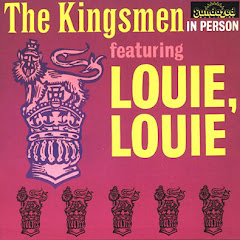
In America, frat bands like The WAILERS had taken Little Richard's ferocity, welded it to Link Wray's rumble, and terrorized Seattle dance halls. Their rivals The KINGSMEN were the first out the gate to record "Louie Louie". They'd sped up the Jamaican ode and slurred the words to disguise they didn't know them. It was a cheeky triumph of attitide over aptitude, and blueprinted the music later called "Garage" or "punk music" (by the time Lenny Kaye compiled the seminal NUGGETS album in 1972). Harder than anyone were The SONICS, whose barbed guitar and vocals could strip paint. (Their 45 of "Have Love, Will Travel" later played continuously on the jukebox in the SEX shop as McClaren and Westwood were midwiving the Sex Pistols.) Not to be outdone, UK acts like The ROLLING STONES, The ANIMALS, The KINKS, and The YARDBIRDS ramped up the clang and swagger in their blues. After the British Invasion returned America's music back to it supersonic, an estimated 63% of young US males were in budding bands in their garage, barn, or dorm room. (And many uncounted females, as well and as usual.) The sound was amateur, rough, and wild. Curt guitar, pounding rhythm, farfisa organ shrills, and the voice usually shouting, sneering, or jive drawling discontent with dumb love.

American garage rock was full throttle with no highway. It was happening off most of the record industry's radar, on nowhere labels and lost 45's, and the wilderness of hole-in-the walls with PA's. Maybe it didn't get killed because they didn't see it coming. Crazed Texans like The SEEDS and The 13th FLOOR ELEVATORS; The MUSIC MACHINE, dressed all in black and shades with one glove; The MONKS, former soldiers with monk haircuts frothing apocalypse; DAVIE ALLAN & The ARROWS throwing fuzzed-out biker anthems like molotov cocktails; DEAN CARTER, splicing Rockabilly and Garage in his carpet-walled living room studio; and Char Vinnedge leading her all-female LUV'D ONES on a assault that got darker and more abrasive as it went. These people acted like there was no tomorrow but they had to get there yesterday.

The Pleasure Seekers.


But then, DYLAN. His forefather Woody Guthrie had scrawled "This machine kills fascists" on his battered guitar; likewise, Dylan emerged from the early 60's Folk boom as a tonic to vacuous industry Pop. But The Beatles had now reignited his secret love of Rock. Seeing the British retool US roots music, he went electric with the aptly-titled BRINGING IT ALL BACK HOME. Too damn mercurial to remain the Protest King, Bob went intensely surrealistic, spitfiring cryptic barbs like Kerouac with the madman blues. Garage bands couldn't match the wordplay but they sure got the attitude. Their immature tirades against girlfriends shifted gears into social discontent. "I know of nothing else that buggggs me," seethed Australia's The EASYBEATS, "more than working for the rich man." From New Zealand came The BLUESTARS with "I've gained a label as an angry young man/ because I don't fit into the Master Plan." KIT & The OUTLAWS snarled "People walkin' round on me and they stomp my name in the ground/ Don't tread on me! Coz I wanna be free!"

The tension kept intensifying. Before rec execs could spit their martini, rock'n'roll was turning into rawwwwk. The WHO declared their generation with technology while tearing it to shreds. Fuzz chords corroded factory-fresh studio speakers. Brutal rhythms dropkicked amps like Bo Diddleysaurus Wrex. Weird echo and flange distorted state-of-the-art mixes. Madmen now menaced the airwaves from hot wax as fellow freaks around the world responded in kind. The DOORS, BLUE CHEER, CREAM, The CREATION, The YARDBIRDS with Jimmie Page. And then a student of Seattle and the South named JIMI HENDRIX landed in London. With him he brought the whole raw history of the blues and a futuristic clang louder than gods. He is the axis, bold as love, the crossroads from Garage into all Hard Rock, Heavy Metal, Punk, Grunge, and Garage Revival to come.

"Your sons and your daughters are beyond your command/ It'll soon shake your windows and rattle your walls..." -Dylan


© Tym Stevens


See also:

• 1950s PUNK: Sex, Thugs, and Rock'n'Roll!

• The Legacy of LOUIE LOUIE, with Music Player!

• The Pedigree of PETER GUNN, with Music Player!

• BEATLESQUE Songs: 1966-esque, with Music Player!

• HERE IN PURPLE VELVET NOW: The Psychedelic Revolution, with 2 Music Players!

• WOMEN OF ROCK: The 1960s, with 2 Music Players!

• ROCK Sex: Rock Revolution = Busted Amp! - Ike Turner > Burnette Trio > The Kinks > The Beatles


_____________________


• "Evil Hearted You" - The Yardbirds > Pixies

• "I CAN'T EXPLAIN" - The Who > David Bowie > The Clash > Fatboy Slim > The Hives

• The Kinks > Sex Pistols > The Kinks


• The Real History of Rock and Soul!: A Music Player Checklist


Friday, October 19, 2007

THE BRITISH INVASION!

...with Music Player!


I Put a Spell On You


The British saved Rock'n'Roll.

The usual rap goes that there is a gap between the implosion of the first Rock'n'Roll stars (1959) and the phoenix nova of The Beatles (1963). In this pop wasteland, prefab pretties like Fabian and Annette pantomimed and pretended. The truth is better. This is actually an intensely fertile time of expansion in the wake of that first Big Bang of Rock. It'd be unfair and unaware to overlook this early 60's hotbed: the adolescent opera of the Girl Groups; the Motown machine revving up; the grand epics of Phil Spector; the turbo fun of Brian Wilson's bunch; the kick-azz grit of the Chess Records mob; and the ascent of Soul music under the wings of Ray Charles and Sam Cooke. But of these, it was Surf music that most retained the bristling edge of Rock. With its full-throttle fearlessness, it preached the virtues of speed, clamor, and sleek power. All of these new influences enthralled european teens, but it was that guitar that spurred them into magnificent action.

First up, there was the british Rockabilly star, Tommy Steele ("Doomsday Rock"), then leather-god Vince Taylor (the original "Brand New Cadillac", covered by the Clash), and Johnny Kidd & The Pirates ("Shakin' All Over"). Then brilliant producers like the eccentric genius Joe Meek came in with his guitarstrumental bands. Meek, a secretly unhinged dandy, was a tech wizard who concocted weird sound instruments in his apartment studio and recruited acts to justify their use on pop records. His oeuvre straddles prom rock shuffles, Les Paul's outlandish Jazz scales, the bubbly pizzicato pop favored on government sanctioned radio, and an obsessive penchant for otherworldly tones. Plus, he idolized Buddy Holly and the hard echo of Duane Eddy and Dick Dale. All of this hit a beautiful equinox with The Tornados' "Telstar" (1962). Its eerie interstellar metallic vibrato shocked radio listeners like an Orson Welles broadcast and ushered the guitar wave of The Tornados and The Shadows and art school rockers everywhere.

Art school was the only bastion for the rebel in such a rigidly classist society. England was now a working class nation tyrannized by a mass delusion of elitist civility that was crushing its earthy heart. The War had destroyed them, the 50's was all about picking up the pieces. While parents clung to status quo for stability, their children wanted something more. Rock'n'Roll was like a reverse blitzkrieg. It was a wave of concussive renewal and creation. They were riveted by the foreign-ness of it, but also by the familiarity of it. In the raucous roll of Chuck Berry, Little Richard, and Bo Diddley they could hear the robust tavern ballads of warrior pasts. In the ethereal country hymns of the Everlys they could hear celtic madrigals. In the plaintive strains of Hank Williams, Buck Owens, and Patsy Cline there was the Olde Country folk of troubadours, brought home more closely by the emerging Bob Dylan. In the coiled cool of Howlin' Wolf and Muddy Waters they heard the course rounds of feudal farmers. In orchestral pop soared the strings of their Classical heritage. In the immigrant shangri-la of America they saw amplified and unleashed versions of themselves, risen shining and sleek for the future in the wake of the war. And the ticket to freedom was three chords and a hook!


John Lennon wasn't the only art school drop-out to take up a guitar, but he formed the band to beat all bands. The Beatles were the Biggest Bang, from which everything else would unfold from then on. This is a Law of Physics at this point, so we'll get on to the initial effects. The first was the galvanation of this galling nation of sharp-dressed men with impossibly long hair setting prim young girls on fire with jet-engine hysteria. The second was synthesizing everything from before into a new world of possibilities. The third was to give permission to everyone to be whatever they wanted.

The bands started as retro-revivalists turned into pop futurists turned beat ambassadors. Soon every group in the British Invasion splintered into smorgasbord shards. The blues purists birthed John Mayall's Bluesbreakers, The Rolling Stones, The Animals, and The Yardbirds. The pop pundits cheered Gerry & The Pacemakers, the all-female Liverbirds, The Searchers, and The Kinks. The R'n'B contingent numbered The Who, The Pretty Things, The Spencer Davis Group (with Steve Winwood), Dusty Springfield, Chris Farlow, and Georgie Fame. Donovan ushered in the Folk rebound.

Then quickly, the triumph over America prompted a domino escalation that opened a new door every day with every record over the next several years. Beat groups like The Who and acolytes like Les Fluer de Lys and The Creation started getting more aggro, pumping out a fuzzy delirium later dubbed Freakbeat. With The Yardbirds getting more sonically intense, this ricocheted in rehearsals all over America in the first Garage Rock bands. The Beatles were now exploring all the sounds they'd heard on world tours. A crosscontinental one-upship ensued between the Fabs, Dylan, Brian, the Byrds, and anyone in the wake. This produced an exponential wave of some of the greatest songs and albums ever made. Every style, every madcap instrument, every incredible new studio technique became fair game. As the newly revitalized Rock went both toward the brutal and the beautiful, it began converting the planet.

Rock'n'Roll was here to stay, it could never die. It now belonged to the world.


© Tym Stevens


See Also:

• BEATLESQUE Songs: 1963-esque, with Music Player!

• DON'T TREAD ON ME: The Original Punk of 1960s Garage Rock, with Music Player!

• HERE IN PURPLE VELVET NOW: The Psychedelic Revolution, with 2 Music Players!

_____________________


• LADIES FIRST: "I Can't Let Go" - Evie Sands > The Hollies

• LADIES FIRST: "Can't You Hear My Heartbeat?" - Goldie And The Gingerbreads > Herman's Hermits

• LADIES FIRST: "Needles and Pins" - Jackie DeShannon > The Searchers

• "She's Not There" - Bessie Smith + The Zombies = Malcolm McLaren

• "Don't Let the Sun Catch You Crying" - Ray Charles > Gerry And The Pacemakers


• The Real History of Rock and Soul!: A Music Player Checklist


Monday, October 1, 2007

SHAKE AND FINGER POP! Soul Music and the Interior Truth

...with Music Player!

Booker T And The MGs

_________________


Soul music is the shared emotion of experience. As such, everyone breathing can relate to it, be touched by it, be moved by it. Soul, like all great traditions, is actually what each person has brought to it and what we shared from it.

No one has a monopoly on pain. And the human heart is too huge to be bound by fake distinctions like class, body type, or skin. We breathe the same air, dream the same hopes, feel the same emotions. As souls, we share this life, and when we forget our commonality, music brings us back to the root; the interior truth of self.

From the beginning soul stew was cooked by everyone. It's initial gumbo ingredients were the sacrilegious mix of Gospel and Blues, but Jazz brass horns, voodoo mythos, Country tearjerkers, European strings, modern pop, Rock swagger, political Folk, and even spy themes have flavored it over time. It was male and female, and included label owners, talent scouts, songwriters, producers, and performers from every possible human persuasion.

Case in point. Until the late 1940's, all music made by African Americans was called "Race Music". Jerry Wexler, a writer for Billboard magazine's music sales charts, found this disgraceful. There had to be a more dignified term, but how do you encompass the various musics being made? Since urban Jump Jive and rural acoustic Blues were the most popular, he split the difference with the umbrella term, Rhythm & Blues. While R&B later became yet another flat euphemism for 'black music', it actually spoke to divergent sounds. As 1950 dawned, small independent record labels sprung up everywhere to sample the smorgasbord of homegrown talent nationwide. Jerry Wexler became perhaps the preeminent Soul music producer of all time working for Atlantic Records, owned by the astute and hyper-hip Ertegun brothers from Turkey: Ruth Brown, Ray Charles, the Coasters, Aretha Franklin, Otis Redding, the Rascals, and may more were his charges. Similarly, the Chess brothers parlayed the Chess label, the home of Muddy Waters, Howlin' Wolf, Chuck Berry, Bo Diddley, Etta James, etc. The jewish family had slept with a horse in their house back in Poland to keep warm in the winter. As hardluck musicians migrated from the depleted southern states to their Chicago studios, they found kindred sympathy.

In the South, Gospel music was God's music, and Blues was the Devil's by default. The line between the sacred and the profane was absolute. But the 50's was when the imaginary barriers started being challenged. Ray Charles, a cocksure upstart, committed heresy by combining the two. In 1955 he turned a hymn about love for Jesus into a secular ode to a girl with "This Little Girl of Mine". Churchfolk burned like brimstone over it, but young people felt the relief of constrictions evaporating. Ray had combined the sacred and profane and arrived closer to real life. He showed that any segregation is stillborn while synthesis is always rebirth. All too quickly, radio segregated everyone's psyches using separatist terms like 'Rock'n'Roll' for whites and 'Rhythm & Blues' for blacks. Most often this music was the same thing, just separated by the superficial. But at dancehalls all kids shook their hips the same, yelled the same, felt it the same. It made you move and it said something you understood inside.

Sam Cooke, Aretha Franklin, Johnny Taylor, the Womacks, and scores more also left the amen corner to sing new hymns from their hearts about the way they lived, and how they felt. By the early 60's, the R&B tag waned along with the doowoppers and the jivin'wailers. It was a new ere, with the Civil rights movement come to redeem America's heart and open up its future. It was the era of Soul music.

Robert White and Joe Messina of the Motown house band,
the Funk Brothers.

It came from everywhere and back. Motown records in metal Detroit. Chess in hogkiller Chicago. Atlantic in nosebleed New York. Stax in funky Memphis. And from one-hit and no-hit wonders on meteoric labels throughout the south and west and north, and soon from as far east as the United Kingdom. It was tender or tortured ballads, uptempo dance stompers, crazed gobbledygook, strutting proud testimonials, and anthems for justice. It consoled your pain, conjured your joy. Berry Gordy called his label "The Sound of Young America" to transcend useless terms like black and white, but that was only the beginning. Soul music had tapped into the declarative, confessional nature at the heart of all the world's folk musics. Its passionate vocals were a shared memory in all cultures. As such, it was felt, resung, and rebounded back. It was a universal chord that resonates through all pop history since. The British Invasion couldn't win without it, and its influence fused with Jazz, metronomed beneath Psychedelia, got all Funked up, hothoused Ska and Reggae, boogied Glam, strobed Disco, swelled under New Wave, spliced Rap, throbbed in the abstract through House and Jungle, inverted itself as Neo-Soul...well, you feel me.

Every great label had a house band cooking up all the hits. Stax made Memphis soul stew with Booker T and the MG's. Rock steady drums, pulsing melodic bass, slinky azz organ, and zen essence chank guitar. Bring in the class brass of the Memphis Horns, a killer tune, and a belting singer and then look the hell out! Besides their own proto-funk instrumental classics, like "Glass Onion" and "Hip Hug Her", they backed Otis Redding, Wilson Pickett, Sam & Dave, Rufus and Carla Thomas, Albert King, and more. Like their rivals at the Muscle Shoals studios, they were soul brothers one and all, and the fact that they were varied hues only added more flavors to the brew.

Etta James recording with the Muscle Shoals house band.

Soul music is the soundtrack of the human experience. It's cheap and easy to wear attitude like armor. But it takes real courage to bare your heart to the world. To confess doubt, hurt, or wrestle with anger or anguish. To drop the skin and disclose the interior truth of self. That kind of vulnerability is the core of real growth, toward maturity, solace, wisdom. Listen to these brave songs, where men and women stand vulnerable before the eyes of the world. Listen in recognition as they unveil our common heart.


© Tym Stevens


See Also:

• "Time Is Tight!" - Booker T > The Clash > Elvis Costello > Squeeze

• "Take Me To the River" - Al Green > Bryan Ferry > Talking Heads

• "Tainted Love" - Gloria Jones > Soft Cell

• LADIES FIRST: "What A Man" - Linda Lyndell > Laura Lee> Salt-N-Pepa

• LADIES FIRST: "You're No Good" - Dee Dee Warwick > Betty Everett > Linda Ronstadt > The Plasticines


• The Real History of Rock and Soul!: A Music Player Checklist


Thursday, September 6, 2007

YOU DON'T OWN ME: The Uprising of the 1960s GIRL GROUPS


...with World-Spanning
Music Player!

(Part 1 of 2)

_____

The Ronettes.

RockSex
now brings you the actual, all-inclusive history of Rock'n'Soul music, with Music Players.

▶ Music Player Checklist


Spotify playlist title=
GIRL GROUPS: 1960s


This is a Spotify player.
Join up for free here.

This Player is limited
to the first 200 songs.
Hear the unlimited Playlist here.)


This Music Player covers the initial rise of GIRL GROUP vocal sounds from its origins in the '50s through its global range in the 1960s, in chronological order.

> Part 2:
SHE'S A REBEL: Decades Of Songs Influenced By The GIRL GROUPS


___________________


I'm Not Just one Of Your Little Toys:
Girls grouped


"Girl Groups" often means girls grouped together because they are girls. It's nice for alliteration but not illumination.

It's too often a quiet dismissal, trivializing 'female pop' as teenage trash, disposable in critics' minds by comparison to the British Invasion or Garage Rock. But in truth those musics wouldn't exist like they do without this music. And the girls grouped were really a vast range of vocal stylings, genre sounds, age groups, and national origins. It's high time to commend that range and how crucial it has been to the evolution of Rock.

Here, we'll use the term Girl Group as an appreciation of a general sonic movement and how female artists shone within it. This is to dismiss the misuse of the term, which treats them as little girls not Rock enough for the boys club, or as sexy dolls fronting machine pop. And this is to disrupt the shopworn cartoon narrative that continually strobes that limited view into the mainstream, instead replacing it with a clarified respect for these equally valuable sonic pioneers.

(The far-more expansive history of WOMEN OF ROCK, with Music Players, will be posted separately.)

Beside every man there's a woman doing the same things. She just always gets less credit or pay. Remember, the Blues first burned bright on international turntables because of the breakthrough success of Bessie Smith. Women then belted out Swing, herded the Honky Tonks, and were rockin' fillies like the rockabillies. During those times of constrictive attitudes, record producers treated their works like novelty records while raking in the money it brought them. Because women were often less-recorded, it makes their presence and impact seem spotty in the early years of Rock'n'Roll. (Lack of representation ensures lack of recognition). But they were there, always. As that first wave of rockers fell apart from bad luck, treachery, and dumb moves, the early '60s was an open playing field.> In that gulf the women finally got some attention. The age of the Girl Groups took full bloom, flourishing like a hothouse.

First, think about the age range of this material. There were handclap pop songs for early teeners at pajama parties; there were romance dreams for the prom girls; there were more wary and intimate songs for the young college women; and there were adult songs, declarative of identity or experience. This was real coming-of-age music for the biggest generation of females the world had ever seen.

(But heart music is heart music, which is why it inspired everyone from The Beatles to Blondie, from The New York Dolls to La Luz, for decades to come.)

Secondly, it wasn't simply bouffant belles relayed in quartets cheerleading for marital bliss. Within this general vocal pop tradition, there were the soulful shoo-wop sisters, the dreamscape girls, the drama divas, the biker chicks, the party poppers, the dance dolls, the brassy Brits, the soulstress soloists, and -completely neglected by history- the girls from the garage. Along the way (as heard on the Music Player) you could enjoy bossa novas, country soul, rockabilly, surf, Beat Girls, folk, and psychedelia. Being that women make up over half of the world, the pop scope was international, with diverse scenes in the UK, France, Italy, Singapore, Mexico, and more.


R: Carole King, Gerry Goffin, and Paul Simon.


Also, this wasn't all social engineering from male popsmiths in the Brill building. True, the key positions of the era were held by men; record execs, label owners, managers, most writers and producers, club owners, DJs. But women first began making huge inroads into the industry precisely because of this music. Carole King, Cynthia Weil, and Ellie Greenwich each wrote as many hit classics as practically anyone combined.

Let's not forget Motown writers Valerie Simpson, Pam Sawyer, or Sylvia Moy (who also produced many hits). Syreeta Wright started as receptionist at Motown, then co-wrote many of Stevie's hits, and broke through with hits of her own. Chris Clark seemed an unlikely Motown star, being a six-foot blond, but she went from being receptionist to the immortal "Love's Gone Bad", to an Oscar for co-writing the LADY SINGS THE BLUES film, to being a Motown vice president for video. In the current century, it became fact that women outsold men in every genre they performed in. This is the latest legacy of the doors the ladies kicked opened with this music. In heels, no less!


Phil Spector; Jimmy Page.


Separating sound by ideas of race never works, so the same applies to gender.> It takes everybody to make every thing. Just as varied complexions from myriad cultural traditions helped co-create Soul music, so men from every outlook collaborated with their sisters to create these songs.

Certain ones had an indelible effect. The perilous Phil Spector used his 'wall of sound' to surround his wife Ronnie's group, The Ronettes, in epic anthems to love consummated or lost. (Ahem.) Shadow Morton was another production wizard setting new standards with his dramatic work for The Shangri-La's. Burt Bacharach, with his lyricists Hal David and Carole Bayer Sager, wrote nearly baroque arrangements for chanteuses like Dionne Warwick and Sandie Shaw to shine in. Berry Gordy assembled the pop-soul factory of Motown, whose sound and roster influenced absolutely everyone. John Barry's spy themes and brassy horns were another perennial spectre in many of these songs. And quite a few of the kicking rockers by these songbirds (Lulu, Brenda Lee, Jackie DeShannon, Vashti Bunyan) were fueled by young session guitarist Jimmy Page.

The support was there, but it was the girls who stood facefront for the future.


I'll Keep On Holding On:
The women take the spotlight


The Gold Standard:
The Supremes.


Culture is an intersection of ideas in collusion and sometimes collision.

The 'Girl Group' sound evolved out of all the harmony groups that preceded it: The Boswell Sisters (the '30s) and the Andrews Sisters (the '40s); the barbershop quartets, classical chorales, and church choirs; the gospel groups like The Swan Silvertones who led into the secular doo wop of The Mills Brothers and The Ravens; the bebop vocalese of Ella Fitzgerald and Lambert, Hendricks, And Ross; and especially the elaborate strings and production behind mature torch singers like Cole, Sinatra, Washington, Bennett, and Cooke. Shake all this up with Rock'n'Roll, Soul, and headstrong youth and you get a heady concoction.

Girl Group music is some of the best-produced pop music ever recorded. The post-War torch song era created a pool of crack session musicians working under classically trained arrangers in state-of-the-art studios in New York and Los Angeles. From the simplest dance song to the grandest heartbreak ballad, the craft in these songs is impeccable and timeless. There is a directly relayed throughline from the lush '50s concept albums of Sinatra and Fitzgerald, through the string-scapes behind Girl Group and Motown, onward into Rock's maturation with the Pet Sounds and Sgt. Pepper albums, and beyond.

Truly, Girl Group isn't a box, it is a landscape. Girl Group and Doo Wop are retroactive terms for diverse vocal musics that only serve to genderize limits on a reality too boundless for them. These pop confessionals moved all hips and hearts, made by singles and sets of every age, place, and angle. As the Music Player bears out, there were many facets glimmering in that spotlight.


SHOO-WOP

Martha And The Vandellas with Dusty Springfield.


First up, let's hear it for 'the shoo-wop sisters'!

The only job they could expect in Detroit was as a maid or in a factory. Motown opened a new world for them to be in high society and have presence. The label was Soul but it had its eye on uptown and Vegas. There was a regal glam to all that sass and swoon. These tight pop melodies with their walloping rhythms galvanized early '60s youth, at home and abroad. Queens like Mary Wells, Martha Reeves And The Vandellas, Kim Weston, Brenda Hollaway, Tammi Terrell, and of course Diana Ross And The Supremes; songs like "Please Mister Postman", "Love Is Like a Heatwave", "Boys" ("Sha-shoo-bop, sha-sha-shoo-bop"), "Where Did Our Love Go?", and "Nowhere To Run".

They were matched by their New York sisters, who lived in similar working-class Euro, Afr-Am, and Puerto Rican boroughs with the same dreams. They were the doo wop corner girls now swinging a new modern pop. The songs they strutted had swing, swagger, laughter, and verve. Fingersnappers like The Shirelles, The Ronettes, The Cookies (who became The Rae-lettes, propelling Ray Charles), The Chiffons, and Little Eva; with classic songs like "One fine Day", "Boys", "Be My Baby", and "Give Him a Great Big Kiss".


DREAMSCAPE

The Caravelles; The Honey Ltd.


The 'dreamscape girls' were ethereal.

They were the angelic chorales that soothed the troubled soul from a world of radiant echo. They were the idealic self or spiritual other whose siren psalms promised transendence. Close your eyes and swoon to The Paris Sisters' "I Love How You Love Me", The Caravelles' "You Don't Have To Be A Baby To Cry", Les Intrigantes's "Sans Toi", the haunted folk of Vashti Bunyan's "Train Song", or anything at all by The Honey Ltd.


DRAMA

The Shangri-Las.


The 'drama divas' are bold and cinematic.

Orchestras with dazzling dynamics underscore their apocalyptic hopes and heartbreaks. The queen is the Shangri-Las' leader, Mary Weiss, in her haunted monologues, trembling in the stark spotlight. She turned the pop record into a vicarious confessional for raw and rapt youth in songs like "Past, Present, and Future" and the shattering "I Can Never Go Home Anymore". That poignant intimacy, with cinerama swells of sound, gets star billing in The Bitter Sweet's dizzying "What a Lonely Way To Start the Summertime", Dawn's neurotic "I'm Afraid They're All Talking About Me", Susan Rafey's softly sinister "The Big Hurt", and Timi Yuro' magesterial "The Love Of A Boy".

And first to throw the feminist fist are Dionne Warwick's ardent "Don't Make Me Over", and Lesley Gore's immortal declaration "You Don't Own Me".
[See also, Betty Everett's "S.P.C.L.G. (Society for the Prevention of Cruelty to Little Girls)".]


BIKERS


The 'biker chicks' were raucous, all street accents and gumsmack.

It was the original rebel grrrl, who knew about sex, bad guys, worse habits, seamy cities, and danger. And seemed to like all of them. The Crystals shaped it with "He's A Rebel", and The Ronettes crystalized it with their proud Puerto Rican sensuality and smirks. They coiffed their beehive hair perfect just so they could shake it loose in the heat of singing. The Shangri-Las single-handedly owned the genre with "Leader Of The Pack", and their hellion backstage ways; one exasperated rival called them foul-mouthed monsters, which they just laughed at.

The biker girls sneered at glam gowns and galas. They wanted life rough and wild. Check out The Whyte Boots with their tough stance and white whips, and their catastrophic "Nightmare". Or brave The Shangri-La's "Out In the Streets", The Girls' "Chico's Girl", The Ad Libs' "On The Corner", and the explicit threat of The Cookies' "Don't Say Nothin' (Bad About My Baby)".


DANCEFLOOR

"Shirley, Shirley bo Birley Bonana fanna fo Firley
Fee fy mo Mirley, Shirley!"


The 'party poppers' took the shoo-wop groove and broadened it from the block to the blowout.

It was now fun teen pop for the soiree, the zing in the shindig, the twist in the surfari, sprawling from gaiety to downright goofy. Kick your shoes off to "Surfin' Hootenanny" (with vocals by Darlene Love And The Blossoms), Little Eva's "The Loco-Motion", and Patti Labelle And Her Blue Belles' "I Sold My Heart To The Junkman".

The party really careens loopy with the manic Tammys' swirling and shrieking through "Egyptian Shumba"*, the jumprope handclaps of The Dixie Cups' "Iko Iko", the crazed organ bouncing The Coupons' "Turn Her Down", Donna Loren's surf with "The Cycle Set", the dizzying tongue-twist of "The Name Game" by Shirley Ellis, and The Gypsies' happy admonition to "Jerk It".

*At the "whoa-ah-oh"'s at 2:17, you can hear the precise moment The B-52's were born.


"Calling out around the world/
Are you ready for a brand new beat?"


The 'dance dolls' were the rhythm regals, getting you into the good groove.

They were the latest dance step or bumping sound. If the shoo-wops hopped the block and the party poppers kicked the sock hop, these ladies lit the niteclub and discotheque. Drop the stylus on The Velvelettes' cheeky "He Was Really Sayin' Something", where the lead sounds like she's both laughing and biting your earlobe. Or The Ikettes' sauntering "I'm Blue (The Gong Gong Song)", Martha And The Vandellas' ever-wonderful "Dancing In the Street", Val McKenna's funky "I Can't Believe What You Say", and Rita Pavone's piledriving "Il Geghege".

In France, the Yé-yé girls responded with France Gall's "Laisse Tomber Les Filles" (a.k.a, "Chick Habit"), Sylvie Vartan's "Ne Le Decois Pas" ("just like Putty in my hands/ uh huh!"), and Jacqueline Taieb's "On Roule A 160".


SURELY BRASSY

Shirley Bassey.


The 'brassy Brits' were the synthesis of the soul sisters and the drama divas, belting their own soul music on a theatrical scale.

Passion is borderless, and these UK women merged US soul, traditional ballading, and their own string-laden theatrical pop. (In truth, the classical strings that Spector and Gordy had so often borrowed, now coming full circle to its origins.) Their escalation from the drama divas brought in soundtrack scores, cabaret flourish, and haute couture. Much of this was personified in Shirley Bassey, whose fullthroated brass and supperclub zazz ramp-lified the spirit of Judy Garland; Shirley's gusto and power dynamizes epics like "Goldfinger" and "My Love Has Two Faces".

Their passionate smolder is klieg lights and shadows, bold and theatric. They are triumphant, bereft, and reflective in broad sweeps. Relish Sandy Shaw's "Girl Don't Come", Petula Clark's "Downtown", Lulu's "To Sir With Love", Vicki Carr's spy-twist "The Silencers", the lush ache of Cilla Black's "I've Been Wrong Before" (produced by George Martin), Nita Rossi's bombastic "Untrue, Unfaithful (That Was You)", Jackie Trent's operatic "Either Way I Lose", and US ex-pat P.P. Arnold's take on "The First Cut Is The Deepest".

Mina; Francoise Hardy.


The mindset of the early '60s was that adults made torch albums and teens made dance pop. But Girl Group and Motown bridged both. Globally, adult performers widened their repertoire to surf the young waves. From Italy with love came Mina's "So Che Mi Vuoi" (Lennon & McCartney's "It's For You"), Catherine Spaak's "Penso A Te" (scored by Ennio Morricone), and Ornella Vanoni's "Il Mio Posto Qual'E". More subtly, Chanson singers of France like Francoise Hardy gave us "Tous Les Garcons Et Les Filles". Conversely, pop teens like Helen Shapiro (England), Caterina Caselli (Italy), and Conchita Velasco (Spain) hinged from this vocal pop to become adult interpreters.


SOUL-O

Aretha Franklin; Laura Nyro.


The 'soul-o'ists' were soul queens from major labels like Atlantic and Stax, and countless minor ones beloved on backwater jukeboxes.

Singular artistes with sister wit like Aretha Franklin and Erma Franklin, Dionne Warwick, mavericks Nina Simone and Laura Nyro, south african refugee Sharon Tandy, and british contessa Dusty Springfield. They were the wizened and often wounded heart of mature women. They knew who they were by now and what really mattered.

Reflect deeply with Bessie Banks' original version of "Go Now", Dusty's beautiful ache on "I Just Don't Know What To Do With Myself", Nina's reconjuring of "I Put a Spell On You", Aretha's nonplussed bliss on "Save Me", Erma's original of "Piece of My Heart", and Mitty Collier's earnest sweetness on "I Had a Talk With My Man" (which will choke you up on every listen).

Soul is for every soul, and here to testify is the country soul of Margaret Lewis' "Reconsider Me", Emma Reade's stirring "I Gotta Be With You", and Julie Driscoll's valorous cover of "The Flesh Failures (Let The Sun Shine In)".


GIRLS IN THE GARAGE

The Luv'd Ones.


And the most unsung of all, the 'garage girls', the all-female bands who bashed out the beat with the best of them.

The Girl Groups inspired The Beatles who inspired groups of girls. The crayon history of Rock doesn't tell you that many '60s women worldwide took up the call to play modern Rock as full bands. (Lack of representation ensures lack of recognition). They were the slighted sisters of The Rolling Stones, The Beach Boys, and The Sonics.

(A more exhaustive post and Music Player of the garage grrrls will be posted separately.)

Folks like The Girls (the Sandoval sisters), The Liverbirds, Goldie And The Gingerbreads, Las Mosquitas (Mexico), The Fair Sect (New Zealand), The Womenfolk, The Luv'd Ones, The Ace Of Cups, The Daisy Chain, and The Feminine Complex saddled Beat, Garage, and Psychedelia sidelong. A wealth of their work is lately coming to light, bringing belated justice to these original punk priestesses. Bust out the fuzz with The Starlets' "You Don't Love Me", the proto-Garage of The Pleasure Seekers's "What A Way To Die", and Les Intrigantes' sunny cover of "Hello Goodbye" in French.


These are loose patterns to listen for on the Player that illuminate facets of the prism. But, as in everything, these all overlap and interweave. Within these musical angles lies a composite of the heart, voicing all the concerns and moods one could have. It gave a distinct and new voice to girls and boys everywhere. Besides the great harmonies and melodies, this emotive commonality is what has made these women's music so universal and its influence so eternal. And it resonates in all pop music to this day.


_____

Next:
Read about and hear their disciples in Part 2:
SHE'S A REBEL: Decades Of Songs Influenced By The GIRL GROUPS


© Tym Stevens


See Also:

Part 2 (of 2):
- SHE'S A REBEL: Decades Of Songs Influenced By The GIRL GROUPS

-WOMEN OF ROCK: The 1950s
-WOMEN OF ROCK: The 1960s


-The Real History of Rock and Soul!: A Music Player Checklist