Saturday, November 1, 2008

FUNK, The True History: The 1960s


There is no sound barrier, at least in music.

Everyone hears it inside them so everyone makes it. Every culture has had the drum...the heartbeat remembered from the womb. Everyone has always danced...the inner feelings made physical. Everyone feels sensual, feels amped or elated...catharsis turned into a body language. Every one can uplift everyone...a person's moves can spark mass movement.

Funk is universal. Like life, when everyone contributes to it then everyone advances. It is a wheel, with varied spokes that strengthen it and propel it forward. It is also cyclical, where what went around comes around again. Culture isn't constant or owned by a pure group, it is constantly renewing itself through everyone's additions. It is an intersection of ideas. There is no Either/Or in reality...only "and". Funk is all about "and". It is hybrid, synthesis, fluidity, diversity. Funk is inclusive and thus ever expansive. Funk is sliced in familial tones.


Every time you pick up a Funk CD collection it's usually the same 12 songs over and over. It reinforces the closed idea that Funk is party grooves from the late 70's, by 14 guys with great afros. Partially, but hardly. Funk has been a mutating form -which includes every sound and everyone- for the last five decades. As an outgrowth of Rock and Soul it has trysted with every genre and subculture. Funk is a family affair.

Let me extend a point about Funk's inclusion by first debunking exclusion thinking. A painter will tell you straight up that 'Black' and 'White' aren't even colors...they're neutrals and are not in the color spectrum. Real life is in actual color, which is a recombination of all the seven colors in constant rotations. Meaning, when you paint or photograph anyone, they're composed of the same colors in varying degrees. What makes you is the same that makes another: you breathe, you feel, you dream, you act. Using extremities like Black and White as a reverse prism to divide Life from its vivid variation back down to Either/Or is as small-minded as it is sad. Since actual life is one human race with the creativity to have myriad cultural ideas to share, let's exercise some more of that "and" here.

This is an inclusion party so excluders are out. (Ba-dump-bump.) The straight up deal is that everybody was responding to each other to create this culture, as per usual. So the tired programming that limits the usual narrative on music is absent here; no Us vs. Them, no Colonialist Absolutism, no Purity Group, no faith-based supremicism, no radio segregation, no more No's. "Cynthia and Jerry got a message they're saying/ 'All the Squares, go 'round!" This is music by the people for the people. Funk is everyday people.

Radio has segregated people's mindsets for decades. But a DJ's record crate tells the real story: Funk is any kicking dance groove made by anyone. The stocatto drums of Latin percussionists, the fuzzed out R'n'B of Garage rockers, the bopping cascades of hip Jazzsters, the Country Soul of swamp rockers, the hardcharging whomp of the Psychedelics, the Soul Pop of Detroit and Memphis and London, the gutbucket gumbo of New Orleans, the slunkyness of Blues, the saunter of Reggae, the cool grooves of Italian and French and German soundtracks, the sunshine kick of Tropicalismo, the sitar sythesis of India. The reason is that everyone saw each other truly by listening to each other and responding to their cues. True Funk is an intersection of ideas.

Take that weak 12-song CD and throw it in the recycle. I'm spinning this party and you're about to dance your way out of any constrictions!


PRE-FUNK: The Roots

FUNK: Roots Of Funk
by Tym Stevens
This is a Spotify player. Join up for free here.


What paths led to this crux point? Here are some ingredients of the Pre-Funk that are essential to the gumbo:

1) SWING JAZZ honed Jazz into a tight, horn-driven dance music that took the 40's by storm. Those syncopated horns were a sensation that sinned up the nation. It ignited the first taste of teen ecstasy, with jitterbuggery rampant. World War II shortages at home slimmed the big bands down into quintets that ricocheted the new highways, spreading the Boogie fever in a tighter sound.

Louis Jordan and Louis Prima hammed a hilarious burlesque that would thread from The Coasters to P-Funk to Fishbone to Outkast. The horn sections drove Rhythm'n'Blues, Soul, and then Funk and Disco; from Little Richard's band the Upsetters, James Brown with The JB's, and The Mar-Keys, to Tower of Power, Earth Wind & Fire, Parliament, Al Green, KC & the Sunshine Band, and Defunkt. The electric guitar brought in by Charlie Christian would lead to Tiny Grimes, Mel Travis, Les Paul, Johnny "Guitar" Watson, BB King, and Rock'n'Roll, as well as Jazz maestros like Wes Montgomery, Grant Green, and John McLaughlin. Horn players expanded the palette into the abstract, complex moodscapes of Bebop and FreeJazz thanks to Charlie Parker, Dizzy Gillespie, Miles Davis, and John Coltrane.

2) ROCK'n'ROLL is crucial to Funk. Just as rural roots Country and Blues are intertwined (and often interchangeable) by sound, space, and shared experience, so Country Swing is twined with Jump Jive. Bob Wills loved Count Basie, and there are as many country boogie songs as blues or jazz boogie in the late 40's. The barbed sting of blues guitar morphed with the sliquid licks of Honky Tonk and Bluegrass to mutate into Rockabilly. Why? Because kids listen to everything and refract it new. There is no future without "and". Rock will give Funk its intense kick, its rebellious swagger, and its mercurial temper.

The gallop of rockabilly, the tight pop and tough sass of Girl Groups, the jet-engine guitar blast of Surf and the British Invasion, the fuzz and sneer of Garage, the tribal pyrotechnics of Psychedelia, the flamboyancy of late 60's fashion and politics and philosophy... all of these are reflected in the great funk acts.

3) MAMBO and Afro-Cuban Jazz are undervalued and overlooked. Mambo music was king in the early 50's, on the heels of Swing Jazz and Jump Jive. Those drums, "Good Gahd!" It turned Swing into an even tighter propulsive rhythm with the sharp horn blasts, a sudden pause, and the band leader exclaiming, "Ungh!" This is the prototype for James Brown a decade ahead. Actually, Perez-Prado would get so excited he was grunting, "Dilo!" ("Say it!"), and kicking the air to drive the band on. Yes!

The propulsive beat of Latin musics will be a presence in Rock, Soul, and Jazz from then on, leading natutally into funky bands like Santana, War, El Chicano, Azteca, Malo, Los Lobos, Sheila E, Los Mocosos, and Ozomatli.

4) GOSPEL is the soaring voice of Funk. Church was where everyone learned to sing "a joyful noise". Mahalia Jackson was the Queen, singing with a depth of feeling beyond any recorded before. Listen to her take raw intimacy to an operatic level, turning spiritual struggle into transcendence. Along with her will come amen sisters and brothers, uplifting anthems, and sometimes even choirs.

From Gospel we got Sam Cooke, Aretha Franklin, Johnny Taylor, the Womacks, The Chambers Brothers, Al Green, The Staples Singers, Rance Allen, and many more.

5) SOUL is the savvy stepchild. Mahalia wouldn't sing direct Blues because it was profane to her. But she listened to it and reflected it. Ray Charles melded Gospel and Blues (with touches of Jazz boppery and Country confessionals) to create Soul music. His true genius is radiating those select adult musics through Pop music that made kids jump around the globe. His voice carried the exalted grin of the sacred merged with the satisfied smirk of the profane. Thesis+ Antithesis=Synthesis.

Listen to that church organ boogie and sway, sneer and laugh, on "What'd I Say". Keyboards will become intrensinc to the future of Funk -from piano and Hammond to Clavinet, Moog, Arp, and Fairlight: Shirley Scott, Jimmy Smith, Billy Preston, Sly Stone, Steve Winwood, Herbie Hancock, Stevie Wonder, Bernie Worrell, Isaac Hayes, Chris Jasper, Kraftwerk, Prince, Galactic, Medeski Martin & Wood, Soulive.

Soul music is personified by the funky Memphis Group, Booker T & The MG's. It's already there in 1961's "Green Onions": a lockstep rhythm section that struts, an eerie but earthy organ, and that chopping clank of guitar. Who needs words when you got the feeling? Like their studio counterparts in Muscle Shoals, Alabama, they were varied complexions with unified hearts playing together On The One, between them both backing up nearly every great Soul record of the decade unfolding.

6) BLUES is the heavy vibe, the moan, the moody conduit. Muddy Waters was the first acoustic bluesman to go electric in Chicago and revel in the new sting. He was a big man who got bigger with amplification. 'Rock'n'Roll' had long been slang for "doing it", and 'funk' is the earthy, unapologetic, delirious scent that it produces. Before anything else, dance music is sensual. It conveys in sways, tangos in tangles, gets down to get with.

Blues undergirds the funk of Jimi Hendrix, Sly Stone's "I Want To Take You Higher", Santana, The James Gang, Led Zeppelin, The Rolling Stones, early Funkadelic, The Doobie Brothers, The Vaughan brothers, Galactic, Tom Waits, Los Lobos, and Robert Randolph & The Family Band.

7) NEW ORLEANS, ah, and then there's New Orleans. A polyopolis city pumping out polyglot musics: Blues and Jazz, with Cajun Zydeco, Tex Mex, Native American chants, and Carribean rhythms, spiced by every culture that's graced its welcoming harbor. Listen to Professor Longhair's "Big Chief" with those contrapunctual Jelly Roll Morton piano rolls, underlined by those perfect skittershot drums. When they say Rock'n'Roll, this is the roll. Like Latin rhythms, New Orleans swaggers and kicks through Funk music forever.

Like Professor Longhair, Fats Domino, The Meters, Lee Dorsey, Alan Toussaint, Betty Harris, Doctor John, The Gaturs, The Neville Brothers, and Dirty Dozen Brass Band, to name some.


FUNK: 1960-'66
by Tym Stevens
This is a Spotify player. Join up for free here.


FUNKY SOUL, 1965-1967:
Northern Soul, Southern Soul, Motown, Country Soul, Euro Soul, Soul Jazz, Rock'n'Soul, Latin Soul, Garage R'n'B, Funky Soul.


"And?" Well, by the mid-60's these ingredients start coming together in funky soul music like this. There are tons of songs on the music players, all arranged in basic chronological order. Often artists are responding directly to each other. You can enjoy the smorgasbord on your own, but I'll list a few tasty highlights from the menu here:

1) SHOTGUN, Jr. Walker & The All-Stars, 1965. Motown saxman puts it all in the pocket with a gutbucket vocal, kicking drums, pulsing bass, rhythmic clank, jazzy sax solos, and sharp horns. It's shining and dirty at the same time. Let's get funky!
2) I GOT YOU (I FEEL GOOD), James Brown, '65. Mr. Dynamite scribes the blueprint, turning every instrument into percussion, and bending rhythm into dynamics of tight sound and silences. Startling, a revolution in pop music, via mambo.
3) TREAT HER RIGHT, Roy Head, '65. This English soulster is the tip of a huge wave of them. James' example gives working class folks chafing at class limits the permission to bust out and declare their inner soul; Dusty Springfield, Eric Burdon, Georgie Fame, Evie Sands, Chris Farlowe, Steve Marriott, Julie Driscoll, Rod Stewart, Sharon Tandy, Joe Cocker, Ruth Copeland, Robert Plant...
4) BUTTERMILK, Sylvester Stewart, '65. Syl is a San Fran DJ by day, record producer by night. He is a hardcore Beatles and Stones fan who even sports a mop haircut. He produces Bay Area garage bands and demos of his own on the side. (That's his fuzz and backup vox on The Mojo Men's "She's My Baby.") He has this idea of a band that integrates everything, and the first name he tries is Sly & The Stoners...
5) 99-AND-A HALF WON'T DO, Wilson Pickett, '65. James Brown's rival headlong with him, fueled by the MG's. Guitarist Steve Cropper chanks that zen essence, Isaac Hayes weighs in on keys, and Patti Labelle swells the back-ups. (Her hair was cut at the time by a New Jersey barber and fledgling bandleader, George Clinton.)
6) TRAMP, Lowell Fulsom, '66. In this classic Lowell mocks the class war, proudly wearing his hick status like a strut. The raw and the real, the earthy and the edgy are the mantras of Funk. Even its name is rude. And that riff spawned legions, from The Doors' "The Changeling" to Salt'n'Pepa's "Tramp".
7) MUSTANG SALLY, Wilson Pickett, '66. "Wicked" Pickett had an amazing knack for the letter-perfect cover version. He got this from The Rascals, who got it from Sir Mack Rice. The osmosis of creativity in action. That riff is Wilson's proud strut personified, hard and bulletproof.
8) GET READY, The Temptations, '66. Motown's house band was (quietly) called The Funk Brothers. Pounding those wonderful supple basslines is James Jamerson, whose melodic and rounded tones start to crystallize the bass as the lead in funky Soul, and then Funk.
9) UNDERDOG, Sly & The Family Stone, '67. Oh my. Funky Soul had been defined by sharpsuited lotharios and damsel divas from the South and Midwest. But here comes a tribe of hippies from San Francisco, the first maplepeachguygal funky-soul-psychedelic-rock-band to upend everyyyyything. Here, they fly right off the turntable and into higher consciousness.
10) BABY, YOU'RE A RICH MAN, The Beatles, '67. Listen to that drum stride and that muscular bass. The band's On The One. But with it they bring an experimental palette of distorted rhythm guitar and alien recorder. Two prime fans of the Fab's, Jimi and Sly, will take these cues to open the colors of Rock'n'Soul wide open.
11) A DAY IN THE LIFE, Wes Montgomery, '67. He was master of the fluid Jazz guitar but also fluent in all the Pop idioms of the moment. He was an intersection for exchanges between, just like Jimmy Smith, Ramsey Lewis, Hugh Masekela, Charles Stepney, and later Miles Davis and Alice Coltrane.
12) I'M A MAN, The Spencer Davis Group, '67. From the first seconds on the vinyl version, you know you're in it. This English group was graced by Ray-fanatic Steve Winwood on both vocals and organ. He would soon make funky psychedelia with Traffic.
13) SOME KIND OF WONDERFUL, Soul Brothers Six, '67. Gutbucket gospel with humming like cellos and an excellent sparse guitar.
14) I GOT THE FEELIN', James Brown, '67. And James was blessed that he got Jimmy Nolan, whose crackling chicken-scratch guitar will become crucial to Funk. He also had Maceo Parker and Fred Wesley on horns, who were gold in polished shoes.
15) HIP HUG-HER, Booker T & The MG's, '67. As in grind your hips together. From that jarring lead guitar prancing down into the icicle stabs of Booker T's organ, it's on. This must have put James Brown on the good foot and in a bad mood.
16) HIP HUG, Slim Smith, '67. Jamaica has a love affair with American Soul and Pop music, doing endless remakes and responses with the added accent of their fantastic rhythm sections. This will blowup in the early 70's with Reggae, and the late 70's with Dub and Ragamuffin toasting.
17) CHAIN OF FOOLS, Aretha Franklin, '67. "Re-Re" channels Mahalia in a rebuke that seethes both rebellion and submission. The Muscle Shoals mafia backs her up.
18) LITTLE MISS LOVER, Jimi Hendrix Experience, '67. The other shoe now dropkicks everyone in the ass. Tighter and tougher than anything before it. Run. Between them, Jimi and Sly and The Beatles are rewriting the future of music. Sound, clothes, philosophies, and mores will expand "far as the eye can see".


FUNK: 1967-'69
by Tym Stevens
This is a Spotify player. Join up for free here.


*(The Player is limited to the first 200 songs.
Hear the unlimited Playlist here.)


FUNKY ROCK, 1968-1969:
Funky Soul, Psychedelic Funk, Acid Jazz, Rock'n'Soul, N'awlins, Soulstrementals, Swamp Pop, Country Soul, Blues Rock, Funky Latin, Horn Rock, Jamaica Soul, Tropicalismo, Jazz Fusion.


So far everyone in pop and soul is competing with James' grooves, but meanwhile those two psychedelic upstarts are just getting their feet...

20) DANCE TO THE MUSIC, Sly & The Family Stone, '68. In round-robin they recite the new recipe. This song is the nexus of past and future: doo wop chorals, gospel organ, and swing clarinet from before; fuzz bass, electric blues, and proud snarl from now.
21) GIVE IT UP (AND TURN IT LOOSE), James Brown, '68. James drops melody for the Groove, the band a vamping backdrop for his spontaneous improvs. This 'raw and live' style will define funky soul for years. Jimmy Nolan nails it all down on strings.
22) I THANK YOU, Sam & Dave, '68. Stax stallions, in the pocket. Two gutbucket Rays for the price of one 45, they were the frontmen for co-writer Isaac Hayes, who tickles the keys. They were often backed by the MG's or the rising Bar-Kays from Memphis' legendary Stax Records studios.
23) GREEN ONIONS, Mongo Santamaria, '68. Mongo was savvy enough to cover the pop hits and good for him. More and more in the next two years, pop music will become underscored by Latin and African congas and Indian tablas.
24) MEMPHIS SOUL STEW, King Curtis, '68. When saxman Curtis breaks down the ingredients of Memphis soul, he's pretty much serving you the basics of Funk itself. "And now we need a pound of fatback drums" is one of the best lines ever! Featuring Bernard Purdie and Cornell Dupree.
25) HOUSE BURNING DOWN, Jimi Hendrix Experience, '68. Labeled 'Black', this AfricanIrishCherokee called himself human. Called a freak, he thought he was infinite. And he was. Hair from Dylan, clothes from "PEPPER", blues from chitlin, noise rain from Coltrane, outlook from Bradbury. Changed Rock'n'Roll into ROCK Music, inventing the future. As for Funk? The wah-wah pedal, tough rhythm, wild solos, the Sci Fi cosmology, the Afro, and the tribal clothes come from this guy. Here he laments the myopia of brothers hurting each other while aliens watch. Rock is no sidedish; it is actually the prime catalyst for eveything that will congeal as Funk.
26) LOVE CITY, Sly & The Family Stone, '68. Sly roars up, telling the tonic to hate: "Love city/ I want it now now now now!!" Sly wants unity, which will only come from inclusiveness, and his band lives it. Their existence forecasts a future for all. Soul was borne of the Civil Rights movement; the counterculture expands it to its fruition as the human movement. Sly and Jimi are ambassadors of the new view.
27) I DON'T KNOW WHY I LOVE YOU, Stevie Wonder, '68. The rising prince is listening to James, Sly, and psychedelia and absorbing it all. He's already kicking out chestnuts like this one, with its revolutionary use of the Classical clavinet foreshadowing what's to come.
28) THE HORSE, Cliff Nobles, '68. Besides becoming the official high school band anthem, this song is the tip of a huge iceberg: Soul instrumentals. Booker T & The MG's, The Meters, King Curtis, Brother Jack McDuff, The Bar-Kays, The T.S.U. Tornados and myriad more will wax the funky beats and breaks that give decades of DJs and rappers their careers, and pump up every party you've ever danced at.
29) IT'S YOUR THING, The Isley Brothers, '68. Ron and the family Isley combine the tight groove of James with the loose philosophy of Sly. Synthesis, fluidity. Listen to everyone respond to it with their own.


30) SING A SIMPLE SONG, Sly & The Family Stone, '69. Sister Rose counts us in with the widely-imitated "yeahs", Larry Graham intones the fundamentals, and Sly bumps out the basics. The shift has occurred. Now everyone is listening to him and James is on defense.
31) FUNK #49, The James Gang, '70. This was Detroit's answer to Cream, England's psyche power trio. Motor City assembled Motown soul and blistering rock bands. Many folks out of there were both (Detroit w/ Mitch Ryder, The 8th Day, and the rising Funkadelic). Here guitarist Joe Walsh gets skunky as he wants to be, vamping off of "Sing a Simple Song".
32) GET ME BACK ON TIME, ENGINE #9, Wilson Pickett, '69. The effect of Jimi's guitar and Sly's beat. With the psyche/hippie band back-up come the bongos ("Dilo!"). Also, length. Jazz gave permission for long exploratory solos and changes through Bebop and Free Jazz. Psychedelia expanded this, and funky soul would get longer on LPs instead of being divided on a 45. Can you say Acid Jazz (and 12" Single)?
33) KEEP ON MARCHING, The Meters, '69. And here's New Orleans again. The best damn drummer in Funk history is probably Joseph "Zigaboo" Modeliste. Complex as Jazz's Krupa and Rich, fluid as Puente, as On The One as James' Clyde Stubblefield. The Meters were the Crescent City's mighty response to Booker T & The MG's and Muscle Shoals, ubiquitous and greasy. Here they are speaking to marching protesters and soldiers of all stripes.
34) GET BACK, The Beatles w/ Billy Preston, '69. When a rightwing backlash rose in England telling immigrants to "get back where they came from", the boys taunted that xenophobia with this boogie ode to cross-dressers and day trippers. Billy, Ray Charles' handpicked successor and Sly's cohort, was a friend of The Beatles from before they got famous, and churches up Paul's soul crusade. He was basically the Fifth Beatle and the Sixth Stone, a friend to the end.
35) POLK SALAD ANNIE, Tony Joe White, '69. Stax Records and Muscle shoals were exemplars of the country soul tradition. Songwriter White broke through with what got termed Swamp Pop, a deeply countrified soul with some tough swagger. Loose compatriots in that bluesy bog were the MG's, Creedence Clearwater Revival, The Band, Dylan's "Nashville Skyline", the "Dusty In Memphis" album, the "Let It Be" album, Delaney & Bonnie Bramlett, Derek & The Dominoes, The Allman Brothers, the native american Redbone, the early Doobie Brothers, and cult fave Jim Ford ("Niki Hoeky").
36) I CAN'T GET NEXT TO YOU, The Temptations, '69. Whitfield rewraps "Some Kind of Wonderful" into this superheroic vamp. The Temp's early period was all Smokey Robinson-led perfect pop. Norman now creates their startling second arc as pioneer psyche-funkers from '69 to '72, under the spell of Sly, The Beatles, HAIR, and a Detroit upstart band no one's heard of called Funkadelic.
37) HANDA WANDA, Bo Dollis & The Wild Magnolia Mardi Gras Indian Band, '70. One-third of all African Americans have Native American heritage. The various tribes welcomed in Africans who had escaped the tyranny of slavery. This extends from Crispus Attucks, the first person to die in the Revolutionary War, to the unbeatable Seminole tribe who eventually became the first Texas Rangers, to luminaries in the Harlem Renaissance like Duke Ellington, to Jimi Hendrix, and New Orleans. The true history of America, beyond its simplistic Black/White myopia, is hybrid. Bo keeps the bloodline and the drumline alive wearing massive ancestral plumage each Mardi Gras. Here The Meters help him shake those tail feathers.
38) WHO'S GONNA HELP BROTHER GET FURTHER, Lee Dorsey, '70. Here they are again behind our man Lee Dorsey; Leo Nocentelli's guitar tone on this is astounding. Jimmy Nolan but mean. Hear more of them with Betty Harris, Willie West, and as The Rhine Oak.
39) I WANT TO TAKE YOU HIGHER, Sly & The Family Stone, '69. Psyche blues trysts with funky soul. Before this, hippies danced errantly, weaving in the wind. This epic monster jolted half-a-million people up to boogie at Woodstock in syncopated communion. The concept of all modern dance music happens in this seismic moment.
40) LOVE, PEACE, AND HAPPINESS, The Chambers Brothers, '69. The truth is the counterculture was everyone. Its very point was tribal inclusion across the board and the globe. It reached such a cataclismic peak because everyone was contributing. Separatists can stay in their box, but the rest of us will still grow. And it's also possible to make massive playlists of the songs that quote Sly's "Higher", because of this shared uplift outlook.
41) CLOUD NINE, The Temptations, '69. Here's another one. Producer Norman Whitfield took the doo wop cues of "Dance To the Music" and recast The Temps in Sly's image: harmony group, fuzz, flange, fringes, trippy. He single-handedly kept Motown relevent because of his experiments. He expanded the Funk Brothers by bringing in conga percussion and psyche-rocker Dennis Coffey ("Scorpio").
42) SOUL SACRIFICE, Santana, '69. Mambo had led to Afro-Cuban Jazz, with such brilliant players as Tito Puente, Machito, Cachao, Eddy Palmieri, Jack Costanzo, and Eddie Bobo. Carlos Santana raged out of San Fran with an electric band that amped this music into blistering rock. Just as the Civil Rights movement now counted the Chicano uprise, so Santana opened the door for Latin funkrockers for years to come.
43) COMPARED TO WHAT?, Les McCann & Eddie Harris, '69. Jazz raises the black glove of mental revolution, bucking the status quo: "The President, he's got his war/ Folks don't know just what it's for/ Nobody gives us rhyme or reason/ Have one doubt, they call it treason/ Trying to make it real...compared to what?!" Timeless.
44) PEACE FROG, The Doors, '70. Here they are in full James Brown mode. There's the chicken-scratch strum, the melodic bass pound, the step-and-glide drums, and the other James channeling Native Americans he believed possessed him.
45) SOOKIE SOOKIE, Don Covay & The Jefferson Lemon Band, '70. Soul man Don kicks out the jams with a psyche band as they revamp "Tramp". This was soon covered by many others, including Steppenwolf ("Born To Be Wild").
46) POWER OF SOUL, Jimi Hendrix & The Band of Gypsies, '70. Jimi briefly pulled in two Soul cohorts to get funkier: Buddy Miles (The Electric Flag, "Them Changes") on drums and Billy Cox on bass. Meanwhile, Betty Davis stirs her husband Miles up with Jimi and Sly, who then boils Jazz inside out with "Bitches Brew", the fusion of Jazz, Psychedelic Rock, Funk, Electronic Music, and sounds from world cultures.
47) SEX MACHINE, Sly & The Family Stone, '69. This 13-minute Funk Rock masterpiece is a prophecy. The distorted voice predicts the vocoder (Zapp); the title will inspire James Brown's a year later; it is the gateway for rockers Funkadelic, The Isley Brothers, Living Colour, Lenny Kravitz, and Robert Randolph. And the ending is a playful wink at The Chambers Brothers.
48) CAT WOMAN, Abaco Dream, '69. Playing games with record execs, Sly slips out secret singles under aliases. Check out how the use of keys sounds a dozen years ahead of when it was recorded. He's already invented Prince, down to the synths and British inflections: "1999" in 1969!


EPILOGUE 60's / PRELUDE 70's:

Rosa Parks was tired and wanted to sit down. She took a stand, and that simple move became a movement. In the 50's Bebop opened Jazz's vistas, Beat poetics opened the word, and Rock'n'Roll opened sound for the youth to combine anything. The nervy pulse in each struggler became the exhilerated throb of the crowd set free by their example. Every one was liberating everyone, just by embracing the unknown and exploring it.

The 60's is hothouse flowers pushing out of the greenhouse. Exponentially, barriers were dissolving and new terreign unfolding. It was as much as anyone could do to throw their effort in and just hold on. Always "and" and "and". This ever fluid present electrified the open-minded and shocked the stolid. There was so much going so fast that it was hard to grasp what was divine and what was disaster. The next decades would wrestle with the repercussions of both.

This was the gestation generation, birthing possibilities. A continual recombination of elements in constant rotation. As the wheel revolved, music re-evolved. Funky Soul found its path with every move of its makers. Soon, in one perfect song, it would find itself as The Funk. And then? Well, the future is always "and"...


Next: FUNK: 1970-1974


© Tym Stevens


See Also:

• SHAKE AND FINGER POP! Soul Music and the Interior Truth, with Music Player!

• FUNK, The True History: 1970-1974, with 3 Music Players!

• SLICE TONES: Sly Stone & His Infinite Influence!, with 5 Music Players!

• Sly Stone > Prince, with Music
Player!

• BEYOND COOL: Pedro Bell, Funkadelic's visionary!


-The Real History of Rock and Soul!: The Music Players Checklist


Friday, October 17, 2008

MY SOUL HAS BEEN PSYCHEDELICIZED: The Afro-delic Dimension of Psychedelia


...with 2 Music Players!


Sly And The Family Stone


PSYCHEDELIC SOUL: 1966-'72
by Tym Stevens

This is a Spotify player. Join up for free here.


*(The Player is limited to the first 200 songs.
Hear the unlimited Playlist here.)


"Now the time has come. There are things to realize."
-The Chambers Brothers


It ain't psychedelic unless it's all the colors. Here's some more of the Psychedelia story, told from some new sides.

Rock'n'Roll is only black and white on the page. In real life, it's a prism. Everybody was part of it, and in all ways. It's simple enough to define Garage rock as R'n'B or Blues riffs with much added fuzz and attitude. Or Psychedelia as the same gone more trippier and expansive. So it should be simple enough to include everyone who was doing that music. In real life, Jimi Hendrix, Sly & The Family Stone, The Isley Brothers, Black Merda, Funkadelic, and Miles Davis have as much to do with the Psychedelic era as their comrades Vanilla Fudge, Jefferson Airplane, Pink Floyd, The Beatles, and Janis Joplin. The books and the box sets won't tell you that, so I am.

The mainstream culture at large in the 60's was for the Included. TV ads/ shows, churches, schools, and industry were very good about reminding everyone what those parameters were, and how you did or didn't fit into them. But in the biggest generation ever, that left a lot of ostracized people to meet each other and bond together. Ban The Bomb activists, Folk protesters, Rock hedonists, Jazz hipsters, ecologists, vegetarians, Civil Rights rebels, student uprisers, international dissidents, disillusioned soldiers, young college women, banned writers, progressive teachers, pacifist clergy, migrant workers, repressed voters, gays, starving artists, fashion forwards, philosophers, poor people...the list was limitless. By sharing common grievance they began to see an end to limitations when they pooled their strengths. That's the real 60's...the Empowerment Era. En masse, their alienation created a sub-nation, a counterculture. It's mantra was freedom, in the sense of stripping away artifice and making art out of personal truth.

Revolt into style; that had been Rock'n'Roll in 1955. But by the mid-60's there were now so many styles it was united mainly by a philosophy: do what thou wilt shall be the whole of the law. For every person who ever felt alienated, put down, pushed out, invisible, freakish, or misunderstood, this was revolutionary. The outlook of inclusion made the world a theatre of the possible.

Jimi Hendrix was infinite. He was cubism, looking from all angles for a fuller view. Your one thing was only that. He was past anyone's petty limits like the river, like rainwater, like the wind. His first cover song was Dean Martin, his first concert Elvis, he was there in the Seattle club when The Kingsmen inverted Louie Louie into garage rock, he supported soul acts while soaking up Dylan and the Beatles, Lenny Bruce and Miles, comic books and Bradbury. He watched even bad guitarists to learn from their mistakes. He was a mosaic man, African and Irish and Cherokee, was modernity itself. He was an intersection for the past and the future, for the organic and the electronic, the gypsy and the astronaut, for abrasion and elegance. He was the fulcrum for all things to come.

Jimi always got fired. Three gigs in, the Soul headliner would get shown up by his guitar show-outs and out he went. Greenwich Village and then London gave him wider range to play in. The Chambers Brothers were doing alright singing blues and gospel on the folk circuits, but they had this one crazy electric song that lit up crowds while shorting out record execs. Dylan went electric heretic too and the time had come. Tune up, plug in, rock out.

It's all about interchange and inner change. Culture is an intersection of ideas, constantly meeting and mutating. All input is welcome so don't be put out. Exchange and change with it. "Got To Get You Into My Life" was a response to Stax Records. Jimi donned his first Edwardian coat and afro after Dylan's "Blonde On Blonde". Keith Richards envisioned "Satisfaction" as an Otis Redding song with his guitar subbing for the horns (which Otis returned in kind with his cover version). Sly Stone was a San Fran DJ who actually drove ratings up for his soul broadcast throwing in Lord Buckley skits, The Beatles, and Classical pieces; he produced the hits "Just a Little" and "Laugh Laugh" for The Beau Brummels, and The Great Society's original version of "Somebody To Love". The first band Neil Young was in had Rick James as the singer. Char Vinnedge loved The Beatles, but the more she heard Jimi the more fuzzed out her band The Luv'd Ones got. "Sgt. Pepper" was the moment George Clinton knew his charade of trying to be the Temptations was through forever. Motown itself schismed the day producer Norman Whitfield started churning out psychedelic masterpieces in response to Sly. That's Duane Allman roaring out the mighty licks behind Aretha on "When This Battle Is Over". Billy Preston would become the Fifth Beatle, fueling "Get Back" and "Don't Let Me Down" with his keys; and the Sixth Stone, with "Doo Doo Doo (Heartbreaker)" and "Melody". HAIR, "The American Tribal Love-Rock Musical", destroyed the color line on Broadway, and every taboo about sexuality, nudity, language, dissidence, and musicality with it. Visiting America, Fela was as radicalized by the politics of the counterculture as he was by the beats of James Brown. After the technicolor smorgasbord of the Monterey Pop Festival, reality had become a sampler buffet for everyone to enjoy together.

The Jimi Hendrix Experience


From Monterey '67 through Woodstock '69 that cross-fertilization was like a global hothouse of creativity. It rolled over into the early 70's, but something changed. Popular acts in the mid-60's had all been played side-by-side on AM stations. Then FM allowed college stations a new bandwidth for extended and experimental music. All very expansive and inclusive. But in the wake of Woodstock, the counterculture nation were now seen as a marketing pool. FM radio then re-segregated the audience by specifically dividing Hard Rock away from Heavy Soul through the 70's. Even though Santana, Miles Davis, Sly & The Family Stone, The James Gang, Mandrill, Blood Sweat & Tears, Funkadelic, Chicago, and Billy Cobham were playing variants of funky jazz rock, they were divided on radiowaves by Commercially-enforced, racialized programming. It interrupted the culture by blockading the intersection of ideas. This polarized the audience, helped seperate the movement, and left us with the segregated, Marketing police state of radio today.

Here's my middle finger upside their face. I say that this no longer gets to dictate the narrative of Rock'n'Soul. I say, "Oh bondage, up yours! I'm putting The Rotary Connection back in. And here's Edwin Starr telling warmongers to kiss his ass, and here's peach and maple girls from HAIR singing 'White Boys are so damn yummy and Black Boys are delicious'. Oh I got something for ya, here's Funkadelic rocking 'Funky Dollar Bill' harder than Sabbath. Or when they backed co-writer and singer Ruth Copeland. How about The Bar-Kays' 'Black Rock' LP on Stax? Social commentary? I got Marvin Gaye's 'What's Going On' album and The Last Poets and Curtis Mayfield. Here's Marsha Hunt jamming with Deep Purple with a fro bigger than my loud mouth. Here's Merry Clayton doing her own blast on the 'Gimme Shelter' she dueted with Mick on...oh wait, where are you running to, Radio? Trying to hide behind the CD Archivest? Well, here's crazy-ass stuff from Chubby Checker, Nina Simone, and Betty Harris. Whatcha gonna do now? Now the time has come. There's no place left to run."

Okay, I didn't really say that. But I'm telling you, and between all of us en masse we can get this party started back right. My outlook is inclusion and to me this world is still a theatre of the possible. I'm not alone. We are surrounded by children of the revolution everyday. The Afrodelic pioneers I'm championing are the fathers and mothers of P-Funk, Earth Wind & Fire, Betty Davis, Bob Marley & The Wailers, Bad Brains, Afrika Bambaataa, Was (Not Was), Tom Tom Club, Prince & The Revolution, Terence Trent D'arby, Living Colour, Fishbone, 24/7 Spyz, Public Enemy, De La Soul, The Jungle Brothers, A Tribe Called Quest, Lenny Kravitz, Neneh Cherry, Soul II Soul, Pop's Cool Love, Arrested Development & Dionne Farris, Digable Planets, The Family Stand, Cree Summer, Meshell Ndegeocello, Erykah Badu, Kelis, Joi, Most Def's Black Jack Johnson, Robert Randolph & The Family Band, Galactic, India.Arie, and Nikka Costa. Shoot, I'll run my mouth off on it all day, you think I won't? (Just wait till I scare the hell out of you with my tsunami about Funk music.) Rock'n'Roll is only black and white on the radio. In real life, it's a prism. We might get burned up by the sun, but we had our fun.

It's not Psychedelic unless it's all the colors. Let's kick out the jams, Brothers and Sisters!


PSYCHEDELIC SOUL: 1973-Today
by Tym Stevens

This is a Spotify player. Join up for free here.


*(The Player is limited to the first 200 songs.
Hear the unlimited Playlist here.)


© Tym Stevens


See Also:

• DON'T TREAD ON ME: The Original Punk of 1960s Garage Rock, with Music Player!

• HERE IN PURPLE VELVET NOW: The Psychedelic Revolution, with 2 Music Players!

• BEATLESQUE Songs: 1967-esque, with Music Player!

• Sly Stone's "I Want To Take You Higher" And Its Unending Influence!, with Music Player!

• BEYOND COOL: Pedro Bell, Funkadelic's visionary!


-The Real History of Rock and Soul!: A Music Player Checklist


Tuesday, March 25, 2008

HERE IN PURPLE VELVET NOW: The Psychedelic Revolution


...with 2 Music Players!


J I M I
H E N D R I X


PSYCHEDELIC: 1966-68
by Tym Stevens
This is a Spotify player. Join up for free here.


*(The Player is limited to the first 200 songs.
Hear the unlimited Playlist here.)


"Here in purple velvet now/ where time and motion slows."
-The Pretty Things, 1968


Roger McGuinn and David Crosby of The Byrds were machine enthusiasts. They likened musical eras to the tech of their times. Jazz would have been a shellback Caddy clacking the tarmac; the first Rock'n'Roll was a '57 Thunderbird revved up and roaring full-flung; and The Beatles were the sound of a jet engine, like a million little girls screaming, louder than God and flying just as brightly. The Fifties had promised the world of tomorrow and its descendent delivered. The Sixties was the Space Age, the Mod years, the beginning of the future. It was curvilinear chrome and sleek cool. It's Ken Adam's James Bond sets, Rudi Gernreich's cutting-edge couture, the Jetson's flying traffic, the hyperstylish credits on TV spy shows. It's the London swing mode of young women skipping the mom route to jetset in Mary Quant trimcuts, Vidal Sassoon asymmetric bobs, and many picking up electric guitars. Or daydreaming to, in small burghs worldwide. Sleek, slick, op, pop, bright, brassy, wow, pow. The New Now.

But time is malleable. Or at least the perception and use of it. After three years jetting the globe pumping out ungodly amounts of classics, The Beatles and their ilk wanted some time out. Not to stop, just to breathe and focus. Speed had kept them moving but grass grounded them. Then lysergic bliss calmed them when they were spiked with acid by a dentist. Wow. Wait a minute. They reflected on everything they had heard and learned in the world. They felt the power that they had given themselves. The music began to change along with their outlooks. Their running mates The Kinks were the first to get Indian influence on record with "See My Friends"; it's lolling waves of droning tone a new tempo to drift, a new course to chart now at your leisure.

"Nothing is real," William S. Burroughs was fond of quoting, "Everything is permitted." It was time to assess the happenings of ten years time. Rock was now the communal language of a new, gigantic generation. It had fueled their mad abandon to destroy all barriers and unleash possibilities. Just as 50's Rock had rejected the consumerist dream while using all of its tools to assault it, so did its heirs. An instinctive movement now groundswelled away from the polished perfect and into the organic, the natural, the rustic, the chaotic, the absurd, the fluid. In rejecting the present's vision of the gleaming solid tomorrow, they revamped the past. English youth went Edwardian, with military jackets and vintage spectacles, olde-world whimsy and dandy eccentricism. The Left Coast of Cali went Wild West, with indigenous tassles and cowboy buckskins, beads and sideburns and bandanas. Jimi Hendrix, an Irish/African/Native American, was so fluid he would do both in each country. He was the new and revised Now incarnate; cosmopolitan, communal, trans-temporal, finding freedom in multiplicity.

Underlying (undermining) all of this was LSD. Leary studied it like a lab trial, Kesey handed it out like communion wafers. Their time-release trip caught hold by '66. Love songs and social barbs became micro/macrocosmic ruminations. By 1967 everything changed completely.


Jimi Hendrix turned Rock'n'Roll into ROCK. Like an Edwardian gypsy Galactus, he had absorbed everything -all the bluesmakers, tours backing every Soul act, the ricochet roar of Surf, the jet engine sunshine of the Fabs, and the surreal slash of Dylan- and he wanted more. He started his arrival in London as a flashy virtuoso, then sculpted feedback and distortion, invented the wah-wah, stacked his Marshalls till ears bled, twisted pop songs into "sheets of noise" like jazzbro John Coltrane, and turned the studio into an instrument flanging sonic masterpieces.

London had the best studios going. Most bands had a shot at one single and that was it. That had been the history of Rock'n'Roll in a nutshell and a bill. But now something new was happening. With so much mindscape to cover, bands crammed an album's worth of ideas into three fuzzblast minutes of plastic, spinning out the greatest psychedia ever set loose. The Yardbirds, Cream, The Pretty Things, The Creation, Donovan, The Brian Auger Trinity with Julie Driscoll, Les Fluer de Lys with Sharon Tandy, Love Sculpture (Dave Edmunds), Traffic (Steve Winwood), The Move (Roy Wood and Jeff Lynne) gleefully embraced dementia. (And unfortunately, souls like Syd Barrett, Sky Saxon, Roky Erickson, Tawl Ross, and Brian Wilson really did.) Their American cohorts- The Chocolate Watchband, The Chambers Brothers, The Doors, The Luv'd Ones (Char Vinnedge), Funkadelic, and the scary Captain Beefheart- raced them to karmageddon. No other generation and no other sound may ever have electrified and alarmed the world as this one.

They wanted a malleable future, a changeable present, an inner revelation, an outer revolution, an infinite plain of possibility they could journey through and learn from...and to create a future generation that transcended everything. No Pain, no divisions, no killing, no selfishness. That utopian generosity has been sorely tested on the tidal rocks of time, by their repressive enemies and the kneejerk callowness of succeeding youth. But their sonic dreams, organic spiritualism, and cultural soul still speak to new generations who long for the same in the latest now.

This music was technicolor brainstorms. This fury is beautiful and forever.

The flesh is not. The fluid they burned for inspiration corroded them. Drugs devolved into a drag. At the end of the glorious arc, highpriest Jimi sang, "Broken glass was all in my brain/ It used to fall out my dreams and cut me in my bed." But he takes us out with a secret smile, saying, "In the meantime, which is a groovy time..."

Make your meantime groovy, baby, right now


PSYCHEDELIC: 1969-'73
by Tym Stevens
This is a Spotify player. Join up for free here.

*(The Player is limited to the first 200 songs.
Hear the unlimited Playlist here.)


Disclaimer: Tym advocates the use of nothing except a focused head and a full heart.


© Tym Stevens


See Also:

• DON'T TREAD ON ME: The Original Punk of 1960s Garage Rock

• MY SOUL HAS BEEN PSYCHEDELICIZED: The Afro-delic Dimension of Psychedelia, with 2 Music Players!

• BEATLESQUE Songs: 1967-esque, with Music Player!

• Sly Stone's "I Want To Take You Higher" And Its Unending Influence!, with Music Player!

• BEYOND COOL: Pedro Bell, Funkadelic's visionary!

_____________________


• "Sing A Simple Song" - Sly Stone > Jimi Hendrix > James Gang > P-Funk > Chili Peppers > Public Enemy


-The Real History of Rock and Soul!: A Music Player Checklist


Saturday, January 5, 2008

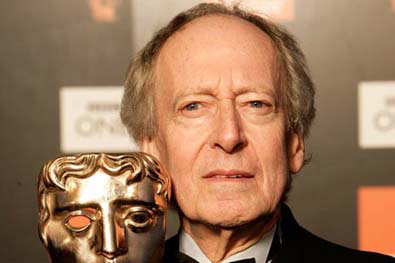
JOHN BARRY: The Influence Of The JAMES BOND Sound On Pop Music


How John Barry's
JAMES BOND sound
influences decades of popular music


...with 2 thunderballing
Music Players!


"You only live twice / Or so it seems /
One life for yourself and one for your dreams."

The great film composer JOHN BARRY lives on doubly in the lifetime of great music he gave us and in the galaxy of artists who have homaged him for seven decades.

Here's two Music Players and essays to prize his sound and sing his praises.

Music Player Quick Links:
𝟭 •JOHN BARRY: a musical career overview
𝟮 • JOHN BARRY's Rock Disciples and the James Bond sound

Each Music Player is in chronological order, from the '50s to the present.


1
The music of
John Barry


JOHN BARRY
by Tym Stevens

This is a Spotify player. Join up for free here.

Spotify Playlist link


"BARRY. JOHN BARRY."


John Barry was the Man.

In the early-'60s he usurped Henry Mancini's mantle as the hip film composer of choice. Mancini had straddled an odd space between soothing sounds and hipster lounge culture. He could knock out the eerie lullaby of "Charade" or "The Days of Wine and Roses" for the straights, and crank out the tipsy joy of "Baby Elephant Walk" and the sly jazz of "The Pink Panther" for the fingerpoppers. But it was his score for the 1959 TV detective series, "Peter Gunn", that clued him to the youth. With its jazzy nocturnal strolls through the hardboiled cool of wet streets and nightclubs it gripped them by the scruff and the hips. It may even have undone him. A stringslinger named Duane Eddy, "the Twang Bar King", covered its theme as a Rock'n'Roll instrumental, surpassing the original so much that most folks think it is the original. It also became the prototype for Henry's emerging challenger.

John Barry was trying to make it in London as a bandleader of a combo that belted out Rockabilly, Swing Jazz and light Pop for dancehalls. He conducted by trumpet like jazzers but had an eye for the emerging phenomenon of Rock. As an arranger he could absorb the styles of the day and craft canny showpieces for his John Barry Seven. There's even a live album with teen girls squeeling at every brass blast-off. But there is already a sense that Pop was too limiting for him, that he had something grander to say and needed a new canvas to express it. The first indication came with a track called "Bees Knees", as the Seven's signature macho brass fanfares click with a hard clanging guitar lead. Soon, John discovered a guitarist named Vic Flick, whose ringing reverb crystallized the heart of where he was heading.

Their vehicle was the theme song for the 1960 British film, BEAT GIRL. This overlooked gem is the moment he became the Man. With Vic's terse tremolo, the jazz drums, and the striding tides of brass, it distills his future in a minute-and-forty-one seconds. Perfect. He continued to refine this sound on subsequent instrumentals, counterpointing Vic with pizzicato strings and trumpet codas.

And then the big break came. He was asked to supplement Monte Norman's calypso score for the first film based on a popular spy novel series. John created "The James Bond Theme" for the opening credits. Vic's guitar, straight out of the pioneering Rock of Duane Eddy and Surf king Dick Dale>, hit the screen and the audience like a full clip. It defined the flinty cool of Bond instantly, and assured Barry's ascension into the film pantheon. Though an obvious extension of his work on BEAT GIRL, to his chagrin the tune was eternally credited to Monte Norman(!). John had his restitution when he was selected to score the entirety of all the Bond films to follow. His sound proved more defining to the character than even the actors who would portray him. At last he had the outsized, sophisticated canvas he needed.

Jane Birken and John Barry


Until that time, film scores had been descendants of Classical music; big orchestras that underscored every moment of film with swelling eddies of sound. This began to change in the '50s with the increasingly experimental textures of Bernard Herrmann (Hitchcock's VERTIGO) and the pop savvy of Mancini. Barry synthesized these advances and intensified them. His was a world of strong, immediately memorable melodies reiterated as tonal themes, honed by his Pop days. He played with dynamics of silences, murmurings, and crescendos. There was an unapologetic boldness to his arrangements that was loud, sometimes abrasive, and triumphant. Very Rock'n'Roll, very Space Age, very erotic, very modern. He trysted dark cellos with crashing brass, merging Classical and Jazz into an edgy, elegant majesty, like "Bolero" meets "Harlem Nocturne". As locales changed in each Bond film he gleefully absorbed world musics into his arrangements. Here Koto strings, there Ragtime piano. Here delicate elegies, there screaming Clavioline organ. With the tensions of his sounds he captured the contemporary ambivalence about sensuality and violence, compassion and passion's folly. Mister Kiss Kiss Bang Bang.

John Barry's grip on the pulse of the times made him the Man. If he was the hero of the era, then Ennio Morricone was the anti-hero, the deconstruction worker inverting and subverting it all. But John had grip. He expanded into many sounds over many films while always maintaining his melodic and dark lustrous sensibility. In the latter end of his career, he made albums for himself of contemplative beauty or trinkling bebop, like someone who has done it so well he disn't have to prove anything to anyone but himself.


2
The Massive Influence Of
JOHN BARRY


JOHN BARRY: James Bond Disciples
by Tym Stevens


This is a Spotify player. Join up for free here.

*(This Player is limited to the first 200 songs.
Hear the unlimited Playlist here.)


This Music Player contains seven decades of music influenced by John Barry, including:

Henry Mancini • Count Basie • The Ventures
Perez Prado • Kim Weston • The Beatles
Jimmy Smith • Eddie Harris • Eric Dolphy
Ennio Morricone • Johnny Cash • Edwin Starr

Johnny Rivers • Lalo Schifrin • Julie Driscoll
Desmond Dekker • Ray Barretto • Davie Allan
The Miracles • Dusty Springfield • Pink Floyd
The Byrds • The Bar-Kays • Isaac Hayes

Paul McCartney • Alice Cooper • Shocking Blue
Carly Simon • Monty Python • ABBA • Atlantics
The B-52's • The Selector • The Specials
Devo • The Go-Go's • Blondie • Goblin

New Order • The Cure • Stray Cats
Tina Turner • Chris Isaak • The Damned
Flaming Lips • Depeche Mode • The Delmonas
XTC • Sinead O'Connor • GBV • Lyres

Gladys Knight • John Zorn • Faith No More
Barry Adamson • Portishead • Pulp • U2
Magnetic Fields • Hooverphonic • Mono
David Holmes • Fatboy Slim • The Prodigy

Supergrass • April March • Moby • Bjork
Garbage • Massive Attack • Public Enemy
Green Day • Goldfrapp • Oasis • Beta Band
Coldplay • Michael Giacchino • Chris Joss

Nine Inch Nails • Dengue Fever • Muse
Chris Cornell • Adele • Siouxsie
Janelle Monae • Jack White • Alicia Keys
The Last Shadow Puppets • Nitzer Ebb

Cee-Lo Green • Anna Calvi • thenewno2
The Kills • Sharon Jones • Mark Lanegan
Lana Del Rey • Stereo Total • The Limananas
Adrian Younge • Bill Frisell • Iggy Pop

Chrysta Bell • Kandle • Billie Eilish

and many, many more!
Plus Movie and TV Theme Songs!


On His Majesty's Secret Service


What does all this have to do with Rock, you ask? A great deal and much more.

Barry created a new kind of jet-age torch song for the Mod generation, which became hit pop songs. These bold songs required bold singers. Shirley Bassey set the standard for all to follow with a fearless blast on 1964's GOLDFINGER which easily matched his horn bombast. Tom Jones reportedly went so far for glory on THUNDERBALL that he nearly passed out holding that last triumphant note! But Barry could blow cool as well as hot, such as the serene calm Nancy Sinatra brought to the immortal YOU ONLY LIVE TWICE (1968). His declarative brass, slinky ballads, and aching melodies haunt everyone in his wake, beyond time or genre.

His dynamic crescendos especially set the standard for his rivals and successors. This defiantly over-the-top blast invigorated great scores and Rock songs. The breathless bravado of THE BIG GUNDOWN by rival Ennio Morricone owes as much to Barry as it does to Elmer Bernstein's galloping western scores, with singer Christy sounding like she's sprinting across the desert with a message burning her tongue. Paul McCartney brought real Rock swagger and some Reggae saunter into LIVE AND LET DIE (1972); the underrated score was actually by George Martin, but their inspiration was Barry's template. Chris Cornell, Public Enemy, Jack White, Alice Cooper, all have rocked out on the momentum of his piledriving cues.

The generation that grew up on these films and pop hits reflected it in the decades to come. John Barry's dynamic sound has seeded through Rock anthems, Pop ballads, HipHop samples, and TripHop headscapes. The attached music player above tours all of that by comparing John's songs to the songs that were inspired by him (and a few songs that inspired him first). Here's a checklist of the party guests...


ACTION!

Barry created the sound of action cinema for the entire decade.

The spy craze of the mid-'60s set off by Bond canonized Barry's sounds in countless theme songs. Movies like the MATT HELM and FLINT series, MODESTY BLAISE, FATHOM, and endless imitations worldwide. And TV shows like "The Avengers", "The Saint", "The Man and Girl From U.N.C.L.E.", "I Spy", "Danger Man (a.k.a., Secret Agent)", "The Prisoner", "Mission: Impossible", "Jonny Quest", "Lancelot Link", and "Get Smart". Even the modern descendants of these, such as "Alias", "The Venture Brothers", "Nikita", "Agents Of S.H.I.E.L.D.", "Archer", and "Killing Eve", retain the echoes of his touch.


SURF

The Surf guitar sound, paved by The Ventures, Duane Eddy, and Dick Dale, had inspired the hard guitar clang of the Bond theme. And in its wake, the Bond theme inspired an entire sub-genre of spy theme surf songs that continues to this day: you can hear in it The B-52s, Man Or Astro Man?, Laika And The Cosmonauts, The Mermen, and The Aqua Velvets.


GOLDEN GIRL

James Bond was so influential on mass culture that the spy sound pervaded general Pop. The brassy power of Barry and Bassey is especially intense in British Soul sirens, in songs like "The Silencers" by Patti Seymour, "Untrue, Unfaithful (That Was You)" by Nita Rossi, "I've Been Wrong Before" by Cilla Black, and "I Know You Love Me Not" by Julie Driscoll.


SOUL

James Bondage also shimmied through Soul music, with such hits as "Agent Double-O-Soul" by Edwin Starr, "Sock It To 'Em, J.B." by Rex Garvin, and namechecks in Shorty Long's "Function At the Junction".


THE BEATLES

The smash succcess of the Bond films transformed the British image into hyper-cool modernity overnight, and set the avalanche in motion for the British Invasion soon after. Because of this, there is a consistent connection between James Bond and The Beatles over the years.

• In GOLDFINGER (1964), Sean Connery makes a flip joke insulting them.

• An action sequence in The Beatles' HELP (1965) is underscored by a short orchestral burst imitating the Bond theme.

• When John Barry was too busy to score LIVE AND LET DIE (1972), the baton was picked up by Beatles producer George Martin who enlisted Paul McCartney for the theme. To his chagrin, the clueless film producers treated it like a demo and started casting about for a standard balladeer to sing it. Martin politely put his foot down. Paul's Oscar -nominated theme is one of the best-loved and most covered Bond themes ever.

• Barbara Bach reached international fame in THE SPY WHO LOVED ME (1977) and then married Ringo Starr. Carly Simon's sultry theme "Nobody Does It Better" for this film is firmly in the tradition of McCartney ballads like "My Love".

• "You Only Live Twice" was covered by an '80s Mod calling herself Eleanor Rigby.

• Showing there's no hard feelings, Sean Connery ended up narrating a version of "In My Life" on George Martin's retirement album.

• In QUANTUM OF SOLACE (2008) Bond meets a ginger agent who insists on being called Miss Fields; it's only on the end credits that we learn her first name is Strawberry.


HE LOVES ONLY GOLD

McCartney's theme was nominated for an Oscar and sold like crazy. The producers moved in the direction of dollars by enlisting the hottest artists of any given moment, like Sheena Easton, Rita Coolidge, Duran Duran, A-Ha, Madonna, Adele, and Sam Smith.

There are special stand-outs along the way. The Pretenders delivered two sadly unsung classics for THE LIVING DAYLIGHTS (1987) with "Where Has Everybody Gone" and "If There Was A Man". LICENSE TO KILL (1989) has an equally unheralded and soulful performance by Gladys Knight. Garbage was so into recreating Barry's signature sound that they made a brilliant spy video to accompany THE WORLD IS NOT ENOUGH (1999). Chris Cornell channels Bassey and Tom Jones in CASINO ROYALE (2006) with his "You Know My Name". Jack White and Alicia Keyes roar through "Another Way To Die" for QUANTUM OF SOLACE (2008). Adele invoked the ghost of Goldfinger in her majestic title song for SKYFALL (2012). Sam Smith followed suit with the soulful "Writing's On The Wall" for SPECTRE (2015). Billie Eilish crooned the title song for NO TIME TO DIE (2021).


MOONFINGER

Moon River ➤ Goldfinger ➤ Moonraker ➤ Goldeneye ➤ Goldmember

There's a funny pretzel loop involving the theme for GOLDFINGER (1964), immortalized by Shirley Bassey. At the time it was so noted for its sonic resemblance to Henry Mancini's "Moon River" that it was often called "Moonfinger". Later, John Barry scored the Bond film MOONRAKER (1979), which was perversely sung by Shirley Bassey. Bono and The Edge were clearly homaging "Goldfinger" in writing the theme for GOLDENEYE (1995), sung by Tina Turner in her best Bassey belt-out. Eventually the telephone game loses its mind. Though Austin Powers goes up against GOLDMEMBER (2002), the movie actually homages 70's action films; so Beyonce's theme completely loses the plot by combining two songs by KC And The Sunshine Band!


KISS BANG

When Bondmania hit, an Italian journalist nicknamed the lascivious spy 'Mr. Kiss Kiss Bang Bang'. Barry liked this phrase enough to create a song for THUNDERBALL (1965). It was meant for Shirley Bassey but then went to Dionne Warwick. The brass worried about a song lacking the film title, the Tom Jones theme was used instead, and Dionne's recording was released 30 years later. An Italian spy knock-off, "BACIA E SPARA" (1966) was renamed "Mr. Kiss Kiss Bang Bang" in American release, with a score by the great Bruno Nicolai. 'Kiss Kiss Bang Bang' has been used to name two comedies since, including the terrific noir spoof KISS KISS BANG BANG with Robert Downey Jr (2005). (When the director of that film reunited with Downey helming IRON MAN 3 (2013), the end credits were a direct homage to Maurice Binder's credits for Bond films.) It has also been the name of original songs by Nitzer Ebb, Specimen, The Celibate Rifles, and Cinerama. And a collection of film essays by Pauline Kael because it is "perhaps the briefest statement imaginable of the basic appeal of movies."


DR. NOPE

Many artists pitched great songs for Bond films that got rejected.

These were alternate original songs that are just as cool for their own sake; Johnny Cash's "THUNDERBALL", Alice Cooper's "THE MAN WITH THE GOLDEN GUN", Blondie's "FOR YOU EYES ONLY", Scott Walker's "Only Yourself To Blame" for THE WORLD IS NOT ENOUGH, and a raft of TOMORROW NEVER DIES original songs by Pulp, Saint Etienne, Marc Almond, The Cardigans, and Swan Lee.

And oftimes an artist makes a song in the vein of the Bond/ Barry sound just for their own pleasure. New Order's "Blue Monday" (1983) owes as much to Vic Flick's treble as to Duane Eddy. A particular unknown delight is Lori And The Chameleons' "The Lonely Spy" (1981). Artists continue to croon sultry ballads with dangerous mood, such as Serena Ryder, Lana Del Rey, Caro Emerald, Groovy Uncle, and especially Kandle.


COVER ME!

And then there's always a great cover version.

Just marvel at the terrific cover of "Goldfinger" by postpunk pioneers Magazine! "You Only Live Twice" has been done by Marc Almond, Coldplay, and Bjork, and sampled by Robbie Williams and Cee-Lo Green. John Barry was lucky to have his hero Louis Armstrong perform "We Have All the Time In the World" for ON HER MAJESTY'S SECRET SERVICE before his passing; this song has been covered by My Bloody Valentine, Fun Lovin' Criminals, and even a tender take by Iggy Pop. Arctic Monkeys and Kanye West have tried on "Diamonds Are Forever". The first cover of "Live and Let Die" was actually on its own soundtrack, with a Funky Soul version by B.J. Arnau; we see her performing it in a New Orleans bar in the film. Linda McCartney had suggested a Reggae middle section, which triggered a Reggae cover by Byron Lee And The Dragoniares, who had done Calypso songs for the first Bond film, DR. NO (1962). And it became the signature song of Guns'n'Roses. In Radiohead's cover of "Nobody Does It Better" they pronounced it the sexiest song ever written.


YOU ONLY LIVE TWICE

And then there's cloning.

Though Barry hasn't done the Bond music for decades, his hand-picked successor David Arnold has done near-flawless homages in recent years. Likewise, pastiches of Barry run through AUSTIN POWERS, brilliantly in Michael Giacchino's score for THE INCREDIBLES (2004) and THE INCREDIBLES 2 (2018), and David Holmes' score for HAYWIRE (2011).


NEVER SAY DIE

And then there's sampling.

Barry's riffs and moods have been sampled by Moby, Public Enemy, House Of Pain, and The Prodigy. Propellerheads took their whole Big Beat easthetic from Barry, even enlisting Shirley Bassey for their dance hit "History Repeating" (1998), as well as remixing an amped ON HER MAJESTY'S SECRET SERVICE. This earned them the clout to throwdown in the score for TOMORROW NEVER DIES (1997). Fatboy Slim took the key guitar riff of John's breakthrough "Beat Girl" as an essential part of his breakthrough, "The Rockefeller Skank". (♫ "Right about now, the Funk Soul Brother, check it out now..!" ♫)


Portishead, "To Kill A Dead Man"


DANCE INTO THE FIRE

And then there's TripHop.

In the '90s, Barry's atmospheric darkness and propulsive rhythms influenced a new wave of edgy dance music with cinematic arrangements. Many acts lopped under the TripHop umbrella took inspiration from film composers like Barry, Lalo Shifrin, Roy Budd, Angelo Badalamenti, and Ennio Morricone.

Portishead made their breakthrough with a longform video called "To Kill a Dead Man", which combined the style of Bond films with the anti-Bond grit of Michael Caine's 'Harry Palmer' spy series. Their sound sampled from the dark shadows of Barry and Shifren. Likewise, Mono's big hit "Life In Mono" uses the creepy harpsichord of Barry's THE IPCRESS FILE as its hook. Similarly, Goldfrapp, Barry Adamson, Tricky, Sneaker Pimps, Hooverphonic, David Holmes, Blue States, and Massive Attack have haunting refrains of Barry in their cinematic dance themes.
Triphop continued to flourish across time, such as the Bond-esque moodiness of Kandle, and Unloved's drmatic songs for the TV series 'Killing Eve' (2018).


EPILOGUE

And then there's the real thing. When Jarvis Cocker of Pulp curated the 2007 Meltdown Festival, he had a philharmonic night celebrating Barry, with both of them performing together. A proper tribute to a proper artist.


This sadly is the end of our hero, who passed away in 2011, but John Barry will return in another artist and composer dear to your heart. Until then, "Live one life for yourself/ And one for your dreams."


© Tym Stevens


See Also:

• THE PRISONER: Its Influence On Music, TV, and Comics, with Music Player

• JIM STERANKO, Agent of S.T.Y.L.E.! - His Inspirations and His Influence

• TWIN PEAKS: It's Influence On 25 Years of Popular Culture, with 5 Music Players

• How SPAGHETTI WESTERNS Revolutionized Rock Music! , with 3 Music Players

• How STAR WARS Is Changing Everything!

_____________________


• John Barry > Fatboy Slim

• 20 Most Badass JAMES BOND Women!


_____________________


• THE CANON 1: 50 Books That Created Modern Culture, with Music Player

• THE CANON 2: 50 More Books That Created Modern Pop Culture, with Music Player

• THE CANON 3: 50 Recent Books That Created Modern Culture, with Music Player


Friday, November 30, 2007

DON'T TREAD ON ME: The Original Punk of 1960s Garage Rock

...with 2 Music Players!


The Roots of GARAGE ROCK


"I heard Papa tell Mama, 'Let that boy boogie woogie/ Coz it's in him, and it's got to come out'!"-John Lee Hooker

Robert Johnson had paved the crossroads for the Blues, between the sacred and the profane; his acolytes hit another intersection, between the acoustic rural past and the electric urban future. After the great exodus from the depleted Southern states to the promise of Chicago, Detroit, and other Rust Belt cities, African Americans faced new paths of possibility or peril (as did their Dustbowl Days peers who went to Golden California). Muddy Waters was the first Blues maestro to go all electric in 1948, arguably creating the first Rock'n'Roll band. On his heels were Howlin' Wolf and John Lee Hooker. It was a tougher, terser metallic blues, coarsened and amplified by the city. And by a divided soul in play. Compare the liberation-in-dance lyric above with Hooker's murderous vibe in his "Mad Man Blues", over jarring chords played like a stabbing: "I'm gonna take you down by the riverside/ Hang you a knot, baby, by your neck/ I got the madman blues". John uses the metaphor of a betrayed love to vent his fury at the racist structure he is struggling in. It's this crossroads that is at the heart of Rock; between ecstasy and agony, between celebration and revolt, between the hereafter and heresy.

American youth, like all, revelled in their frills while questioning their worth. When was a sleek car just a slick scam, when was a dusty old tune actually a raw truth? 50's Rock'n'Roll threaded this maze with every dance step. To the public at large this dance rebellion just looked like juvenile delinquency. But the harder they clamped down, the more kids wanted to be James and Marlon, Jayne and Bettie, a Jet or a Shark...wanted to rumble.

Into England rode the Teddy Boys. The working class were just a coiled calm. They thirsted for the driven, the free, the real. American musics were dispatches from the landscape of the possible. Tough youths sculpted brillo coifs, rode cycles, and donned Edwardian longcoats (hence "Teds"). These Rockers wanted the brutal, the intense, the unvarnished. Meanwhile other youth wanted the New now. They wanted to kill mundanity with modernity. The Mods wore the sharpest newest threads, rode million-mirrored Vespas, and wiggled to Soul music in clubs. Caught in the median were the Beat bands, who retired their suits by '65 under Mod influence while reclaiming more and more of the hard bristle of 50's Rock. (Asked if he's a Mod or a Rocker in A HARD DAY'S NIGHT, Ringo replies, "I'm a mocker.")

This schizoid temperament in Rock -between rough past and sleek future, the raw and the refined- was now international. From this would emerge a new hybrid trend that would effect the music's future forever.


GARAGE ROCK 1965-1966


In America, frat bands like The WAILERS had taken Little Richard's ferocity, welded it to Link Wray's rumble, and terrorized Seattle dance halls. Their rivals The KINGSMEN were the first out the gate to record "Louie Louie". They'd sped up the Jamaican ode and slurred the words to disguise they didn't know them. It was a cheeky triumph of attitide over aptitude, and blueprinted the music later called "Garage" or "punk music" (by the time Lenny Kaye compiled the seminal NUGGETS album in 1972). Harder than anyone were The SONICS, whose barbed guitar and vocals could strip paint. (Their 45 of "Have Love, Will Travel" later played continuously on the jukebox in the SEX shop as McClaren and Westwood were midwiving the Sex Pistols.) Not to be outdone, UK acts like The ROLLING STONES, The ANIMALS, The KINKS, and The YARDBIRDS ramped up the clang and swagger in their blues. After the British Invasion returned America's music back to it supersonic, an estimated 63% of young US males were in budding bands in their garage, barn, or dorm room. (And many uncounted females, as well and as usual.) The sound was amateur, rough, and wild. Curt guitar, pounding rhythm, farfisa organ shrills, and the voice usually shouting, sneering, or jive drawling discontent with dumb love.

American garage rock was full throttle with no highway. It was happening off most of the record industry's radar, on nowhere labels and lost 45's, and the wilderness of hole-in-the walls with PA's. Maybe it didn't get killed because they didn't see it coming. Crazed Texans like The SEEDS and The 13th FLOOR ELEVATORS; The MUSIC MACHINE, dressed all in black and shades with one glove; The MONKS, former soldiers with monk haircuts frothing apocalypse; DAVIE ALLAN & The ARROWS throwing fuzzed-out biker anthems like molotov cocktails; DEAN CARTER, splicing Rockabilly and Garage in his carpet-walled living room studio; and Char Vinnedge leading her all-female LUV'D ONES on a assault that got darker and more abrasive as it went. These people acted like there was no tomorrow but they had to get there yesterday.

The Pleasure Seekers.


But then, DYLAN. His forefather Woody Guthrie had scrawled "This machine kills fascists" on his battered guitar; likewise, Dylan emerged from the early 60's Folk boom as a tonic to vacuous industry Pop. But The Beatles had now reignited his secret love of Rock. Seeing the British retool US roots music, he went electric with the aptly-titled BRINGING IT ALL BACK HOME. Too damn mercurial to remain the Protest King, Bob went intensely surrealistic, spitfiring cryptic barbs like Kerouac with the madman blues. Garage bands couldn't match the wordplay but they sure got the attitude. Their immature tirades against girlfriends shifted gears into social discontent. "I know of nothing else that buggggs me," seethed Australia's The EASYBEATS, "more than working for the rich man." From New Zealand came The BLUESTARS with "I've gained a label as an angry young man/ because I don't fit into the Master Plan." KIT & The OUTLAWS snarled "People walkin' round on me and they stomp my name in the ground/ Don't tread on me! Coz I wanna be free!"

The tension kept intensifying. Before rec execs could spit their martini, rock'n'roll was turning into rawwwwk. The WHO declared their generation with technology while tearing it to shreds. Fuzz chords corroded factory-fresh studio speakers. Brutal rhythms dropkicked amps like Bo Diddleysaurus Wrex. Weird echo and flange distorted state-of-the-art mixes. Madmen now menaced the airwaves from hot wax as fellow freaks around the world responded in kind. The DOORS, BLUE CHEER, CREAM, The CREATION, The YARDBIRDS with Jimmie Page. And then a student of Seattle and the South named JIMI HENDRIX landed in London. With him he brought the whole raw history of the blues and a futuristic clang louder than gods. He is the axis, bold as love, the crossroads from Garage into all Hard Rock, Heavy Metal, Punk, Grunge, and Garage Revival to come.

"Your sons and your daughters are beyond your command/ It'll soon shake your windows and rattle your walls..." -Dylan


© Tym Stevens


See also:

• 1950s PUNK: Sex, Thugs, and Rock'n'Roll!

• The Legacy of LOUIE LOUIE, with Music Player!

• The Pedigree of PETER GUNN, with Music Player!

• BEATLESQUE Songs: 1966-esque, with Music Player!

• HERE IN PURPLE VELVET NOW: The Psychedelic Revolution, with 2 Music Players!

• WOMEN OF ROCK: The 1960s, with 2 Music Players!

• ROCK Sex: Rock Revolution = Busted Amp! - Ike Turner > Burnette Trio > The Kinks > The Beatles


_____________________


• "Evil Hearted You" - The Yardbirds > Pixies

• "I CAN'T EXPLAIN" - The Who > David Bowie > The Clash > Fatboy Slim > The Hives

• The Kinks > Sex Pistols > The Kinks


• The Real History of Rock and Soul!: A Music Player Checklist